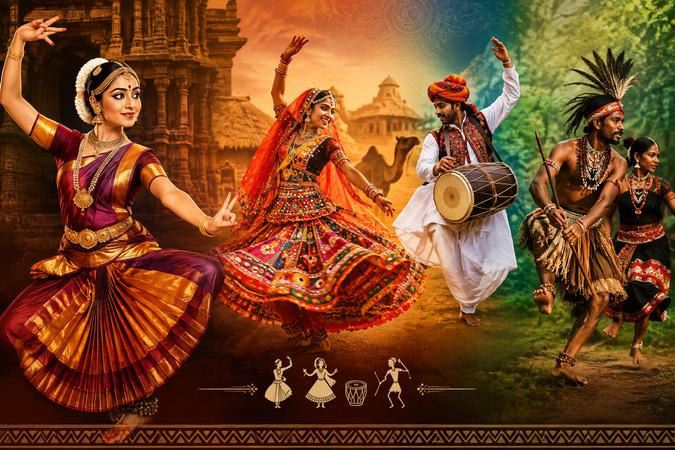
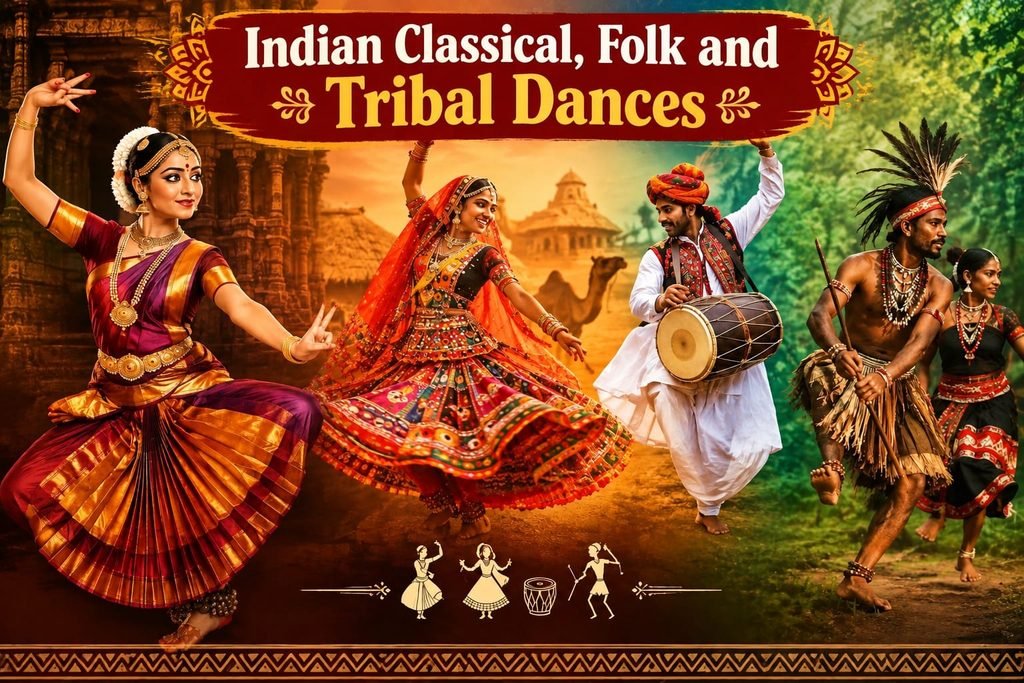
Indian Classical, Folk and Tribal Dances represent the rich and diverse cultural heritage of India. Each dance form reflects the country’s history, traditions, customs, regional identity, and way of life. These dances are performed through distinctive music, colorful costumes, expressive movements, traditional rituals, and storytelling, showcasing the remarkable cultural diversity of India. From the graceful movements of classical dance forms to the vibrant celebrations of folk and tribal communities, these dances continue to preserve and represent India’s rich cultural heritage
Famous Classical Dances Of India : States, History, Features, and Famous Dancers
1. Bharatnatyam
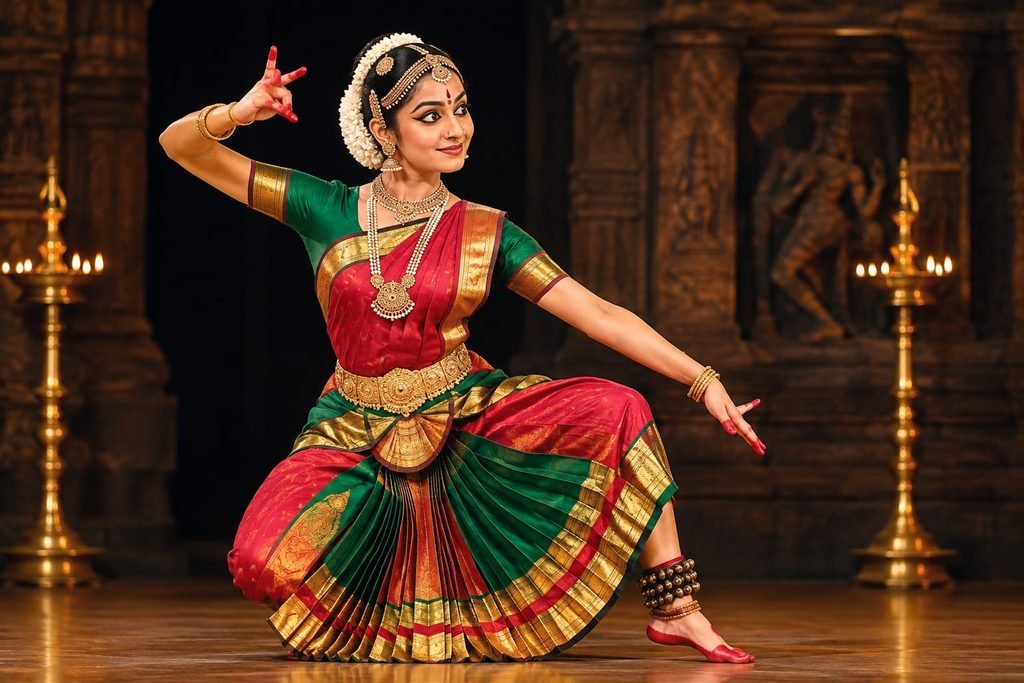
Bharatanatyam is one of the oldest and most popular classical dance forms of India. It originated in the state of Tamil Nadu and is known for its graceful movements, expressive gestures, and rich cultural heritage. The dance form is based on the principles of the Natya Shastra and combines rhythm, music, and storytelling.
State: Tamil Nadu
Musical Instruments Used:
- Mridangam
- Violin
- Flute
- Cymbals (Taal/Kartal)
Famous Bharatanatyam Dancers:
- Balasaraswati
- Rukmini Devi
- Yamini Krishnamurti
- Mrinalini Sarabhai
- Shanta Rao
- Leela Samson
- Padma Subrahmanyam
- C. V. Chandrasekhar
- Kamala
- Sanyukta Panigrahi
- Sonal Mansingh
- Vyjayanthimala
Bharatanatyam is widely performed across India and around the world and remains an important part of Indian classical dance traditions.
2. Kathak
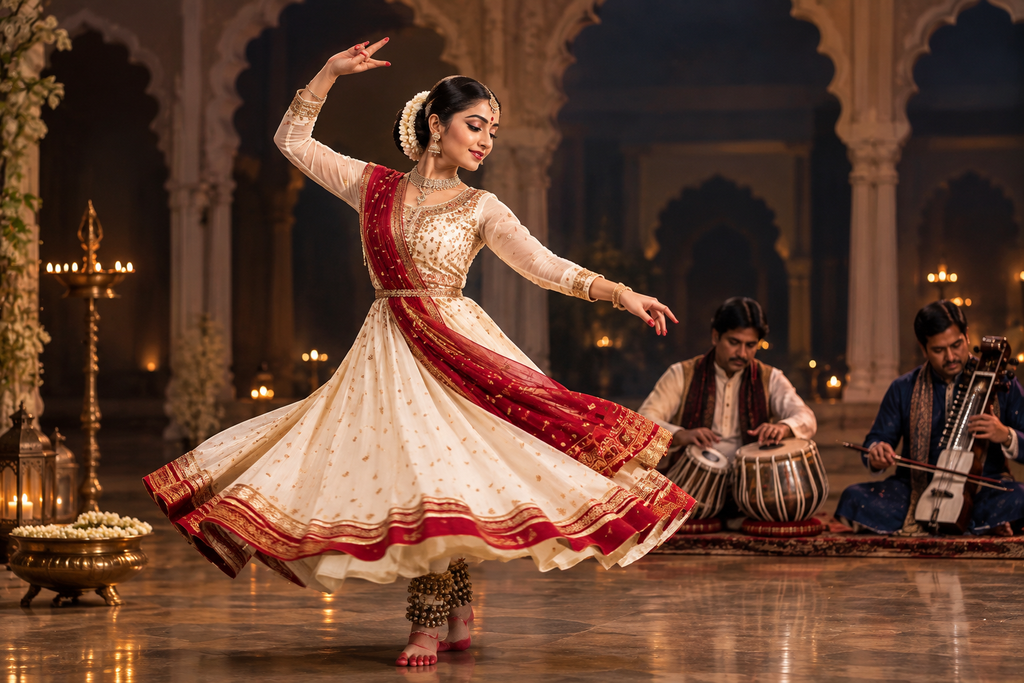
Kathak is one of the major classical dance forms of India. It is mainly performed in Northern India. The word Kathak comes from the Sanskrit word Katha, which means “story.” In ancient times, Kathak dancers used dance, music, and expressions to tell stories from Indian mythology and history.
Region: Northern India
Musical Instruments Used:
- Tabla
- Sarangi
Famous Kathak Dancers:
- Sitara Devi
- Birju Maharaj
- Gopi Krishna
- Sambhu Maharaj
- Achan Maharaj
- Uma Sharma
- Bharati Gupta
- Damayanti Joshi
- Durga Das
- Kumudini Lakhia
Key Features of Kathak:
- Fast footwork
- Graceful spins (Chakkars)
- Expressive hand gestures and facial expressions
- Storytelling through dance
- Strong connection with classical music
Kathak is one of the most popular classical dances in India and is performed at cultural events and festivals across the country and around the world.
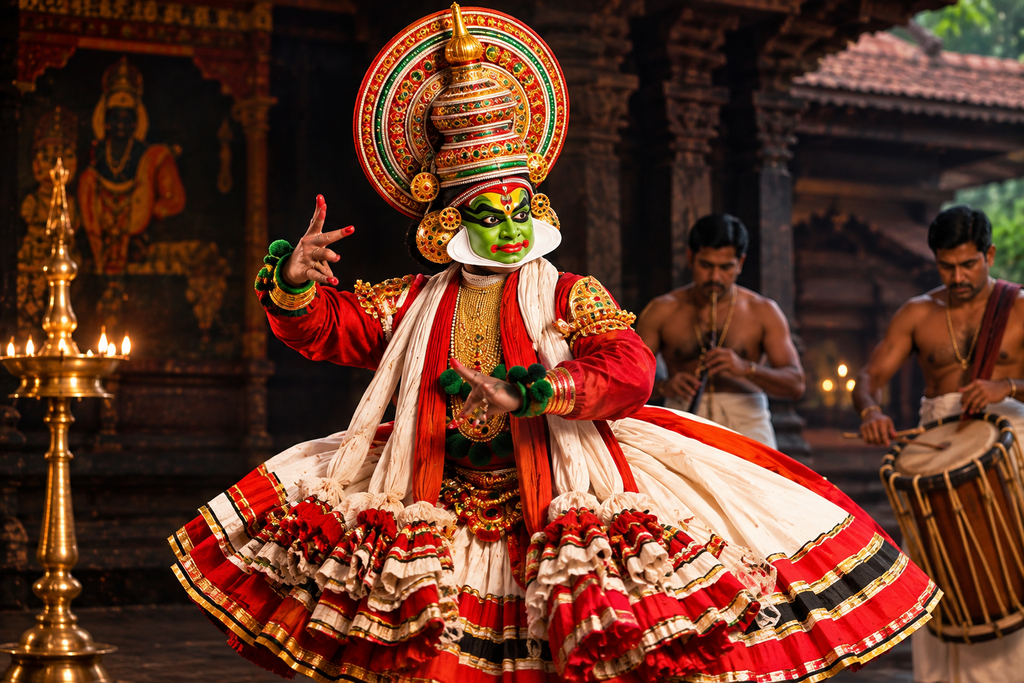
3. Kathakali
Kathakali is one of the major classical dance forms of India. It originated in the state of Kerala and is famous for its colorful costumes, detailed makeup, and powerful facial expressions. Kathakali performances usually tell stories from Indian epics such as the Ramayana and the Mahabharata.
State: Kerala
Musical Instruments Used:
- Drums
- Cymbals (Kartal)
- Vocal music is also used to support the performance
Famous Kathakali Artists:
- Guru Kunchu Kurup
- Madavoor Vasudevan Nair
- Kottakkal Sivaraman
- Kalamandalam Gopi
- Kalamandalam Ramankutty Nair
- Guru Gopinath
Key Features of Kathakali:
- Colorful costumes and makeup
- Elaborate face painting and masks
- Strong facial expressions
- Storytelling based on Indian epics
- Accompanied by music and drums
Kathakali is one of the most unique classical dances of India. It is known for its dramatic style, expressive gestures, and traditional performances that reflect the rich culture of Kerala.
4. Kuchipudi
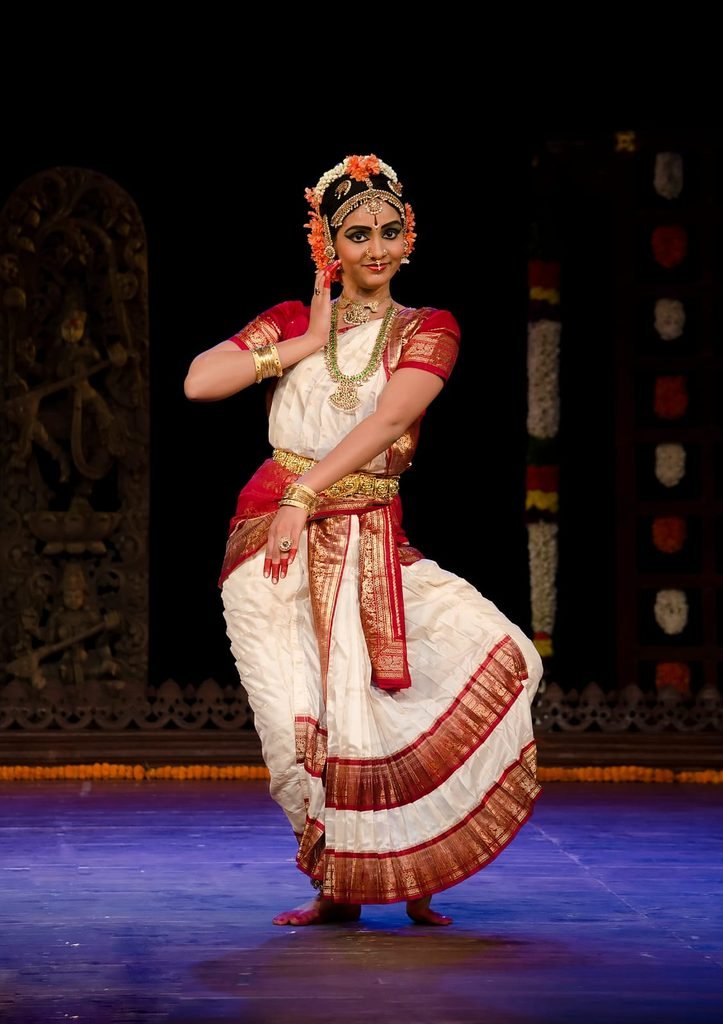
Kuchipudi is one of the major classical dance forms of India. It originated in the state of Andhra Pradesh and is known for its graceful movements, expressive storytelling, and combination of dance and drama. The dance form takes its name from Kuchipudi village in Andhra Pradesh, where it was first developed.
State: Andhra Pradesh
Musical Instruments Used:
- Mridangam
- Violin
- Flute
- Tambura
- Cymbals (Kartal)
Famous Kuchipudi Dancers:
- Vempati Chinna Satyam
- Vedantam Satyanarayana Sarma
- Raja and Radha Reddy
- Yamini Reddy
- Sobha Naidu
Key Features of Kuchipudi:
- Combination of dance, music, and drama
- Expressive facial expressions and hand gestures
- Fast footwork and graceful body movements
- Performances often based on stories from Hindu mythology
- Dancers may perform on the rim of a brass plate, which is a unique feature of Kuchipudi
Kuchipudi is famous for its lively style and storytelling. It is one of the most popular classical dance forms of India and represents the rich cultural heritage of Andhra Pradesh.
Quick Exam Notes:
- Kuchipudi → Andhra Pradesh
- Origin → Kuchipudi Village
- Main Instruments → Mridangam, Flute, Violin
- Famous Artist → Vempati Chinna Satyam
- Known For → Dance-drama style and brass plate performance
5. Manipuri
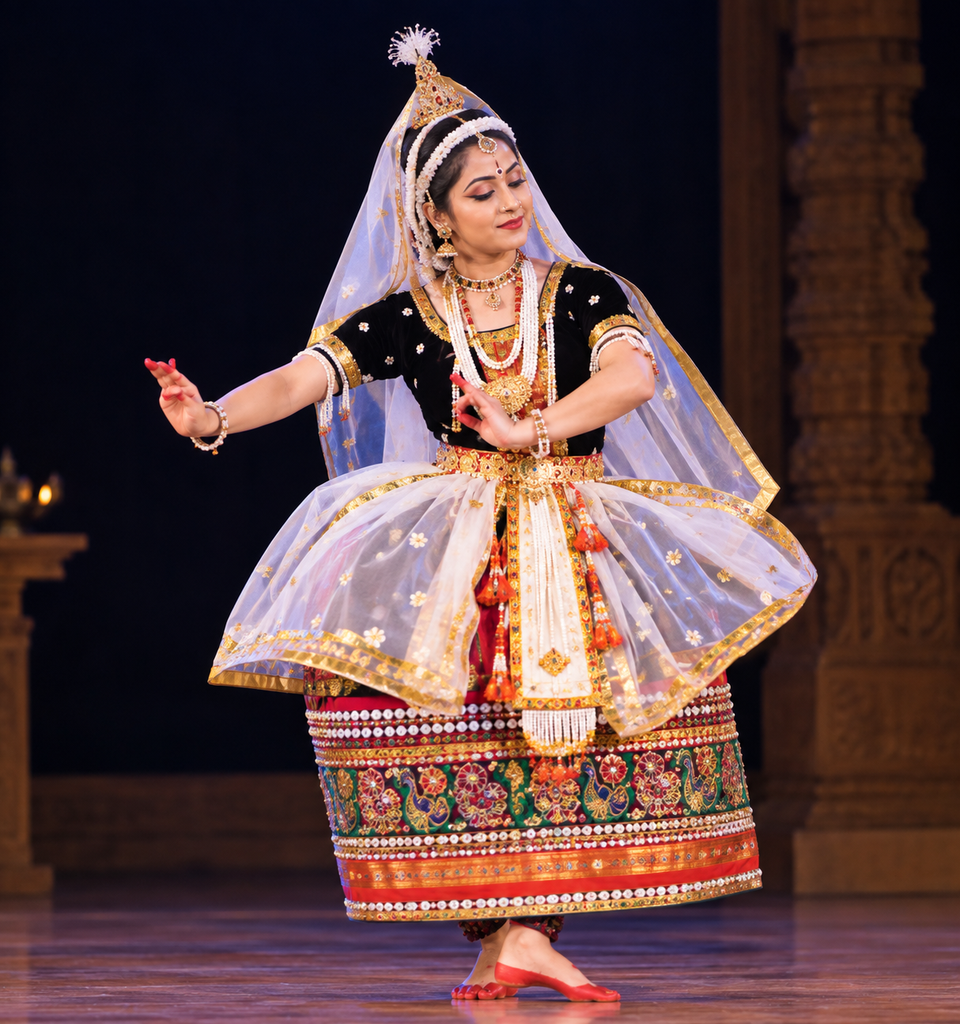
Manipuri is one of the major classical dance forms of India. It originated in the state of Manipur and is known for its soft, graceful, and devotional movements. This dance form is closely associated with the stories of Radha and Krishna and is an important part of the cultural heritage of Manipur.
State: Manipur
Musical Instruments Used:
- Khol
- Manjira (Cymbals)
- Flute
- Other traditional instruments
Famous Manipuri Dancers:
- Guru Bipin Singh
- Jhaveri Sisters
- Nayana Jhaveri
- Nirmala Mehta
- Savita Mehta
- T Nadia Singh
Key Features of Manipuri:
- Soft and graceful dance movements
- Coordinated movements of the hands, head, and feet
- Often based on the life and stories of Radha and Krishna
- Both male and female performers take part in the dance
- Rich costumes and devotional music
Manipuri is admired for its elegance and spiritual beauty. The dance focuses on smooth body movements, expressions, and rhythm, making it one of the most unique classical dance forms of India.
6. Odissi
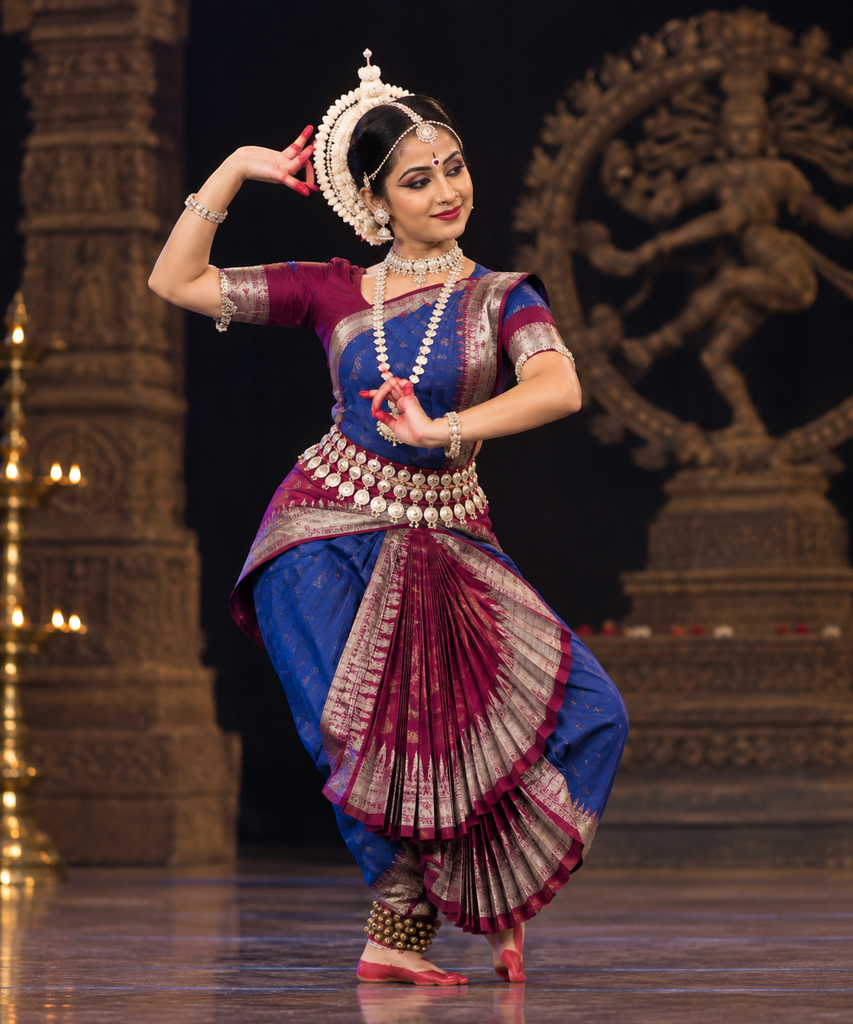
Odissi is one of the oldest classical dance forms of India. It originated in the state of Odisha and is known for its graceful movements, beautiful poses, and expressive storytelling. Many performances are based on themes from Hindu mythology, especially the stories of Lord Krishna.
State: Odisha
Musical Instruments Used:
- Drum (Mardala)
- Cymbals (Kartal)
- Flute
- String instruments
Famous Odissi Dancers:
- Guru Kelucharan Mohapatra
- Guru Deba Prasad Das
- Dhirendra Nath Pattnaik
- Sujata Mahapatra
- Kumkum Mohanty
- Sonal Mansingh
Key Features of Odissi:
- Graceful body movements
- Beautiful hand gestures and facial expressions
- Sculptural poses inspired by temple art
- Storytelling through dance and music
- Often based on themes from Hindu mythology
Odissi is famous for its elegance and artistic beauty. It reflects the rich cultural heritage of Odisha and is performed on stages across India and around the world.
Quick Exam Notes:
- Odissi → Odisha
- Main Instruments → Mardala (Drum), Kartal, Flute
- Famous Artist → Kelucharan Mohapatra
- Known For → Graceful movements and temple-inspired poses
7. Mohiniyattam
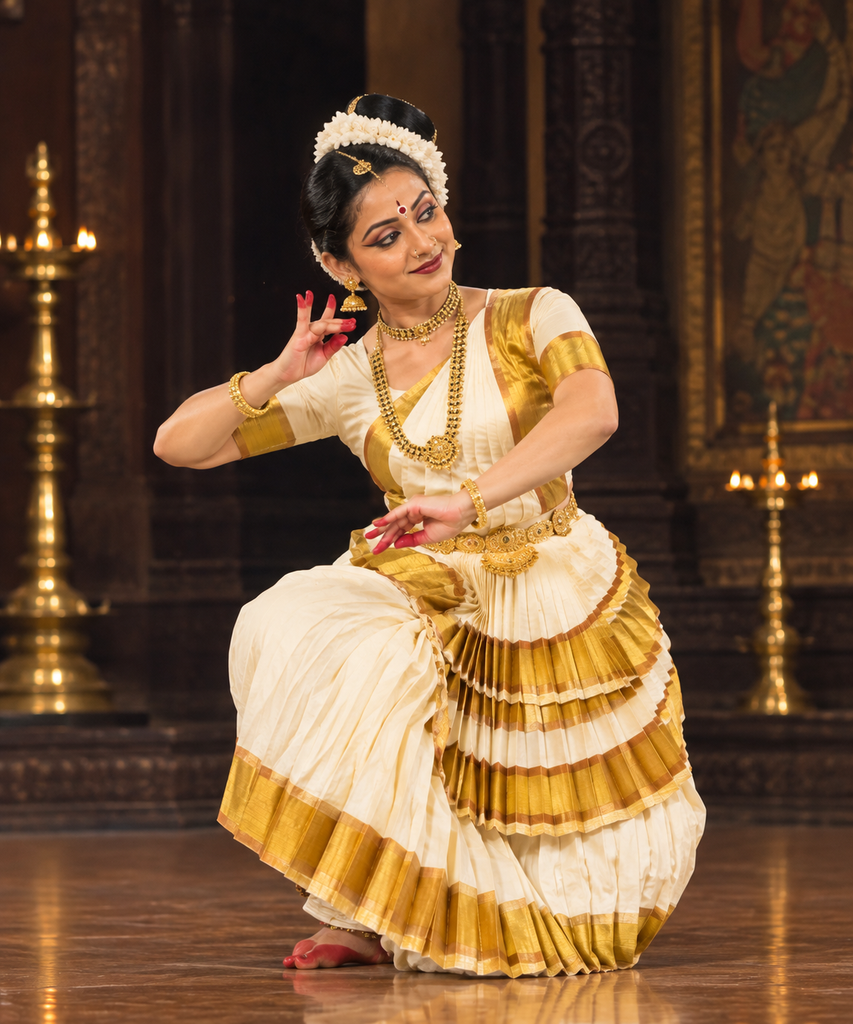
Mohiniyattam is one of the major classical dance forms of India. It originated in the state of Kerala and is mainly performed by women. The word Mohini means a beautiful and enchanting woman who can attract or charm people. The dance is known for its gentle, graceful, and flowing movements.
State: Kerala
Musical Instruments Used:
- Mridangam
- Edakka
- Flute
- Veena
- Cymbals (Kartal)
Famous Mohiniyattam Dancers:
- Kalamandalam Kalyanikutty Amma
- Bharati Shivaji
- Kanak Rele
- Sunanda Nair
- Jayaprabha Menon
Key Features of Mohiniyattam:
- Mainly performed as a solo dance
- Usually performed by female dancers
- Soft, graceful, and slow movements
- Uses beautiful hand gestures and facial expressions
- Has similarities with Bharatanatyam in its use of expressions and hand gestures
- Traditional costumes are usually white or off-white with a golden border
- Many performances are based on stories of Lord Vishnu, Krishna, and other Hindu traditions
Mohiniyattam is known for its simple beauty, gentle movements, and expressive style. It is an important part of the cultural heritage of Kerala.
Quick Exam Notes:
- Mohiniyattam → Kerala
- Meaning of Mohini → Enchanting/Charming Woman
- Mainly Performed By → Women
- Performance Style → Mostly Solo
- Known For → Graceful and flowing movements
- Famous Dancer → Kanak Rele
8. sattriya
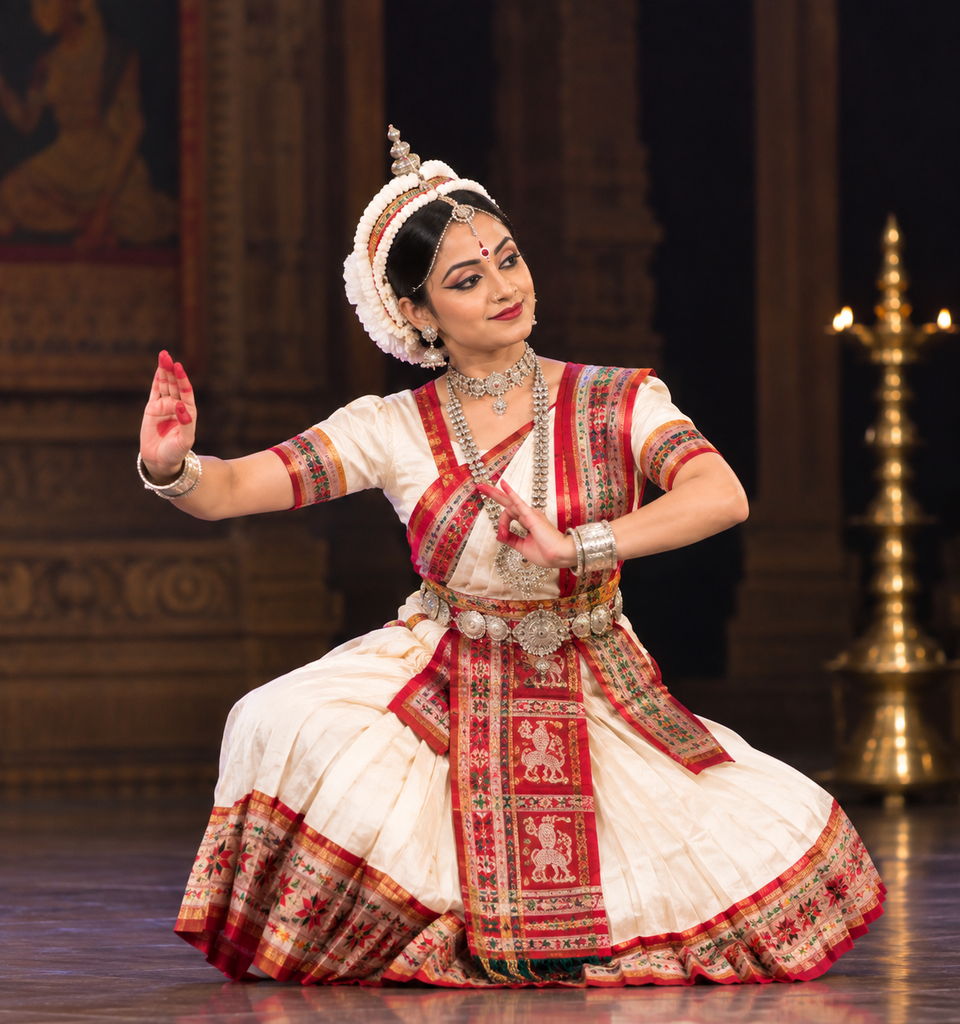
Sattriya is one of the eight classical dance forms of India. It originated in Assam and was traditionally performed in Sattras (Vaishnavite monasteries) as part of devotional and religious practices. The dance combines graceful movements, expressive gestures, music, and storytelling, mainly depicting stories related to Lord Krishna and Vaishnavism.
State: Assam
Famous Artist: Jatin Goswami
Famous Folk and Tribal Dances Of India and Their States
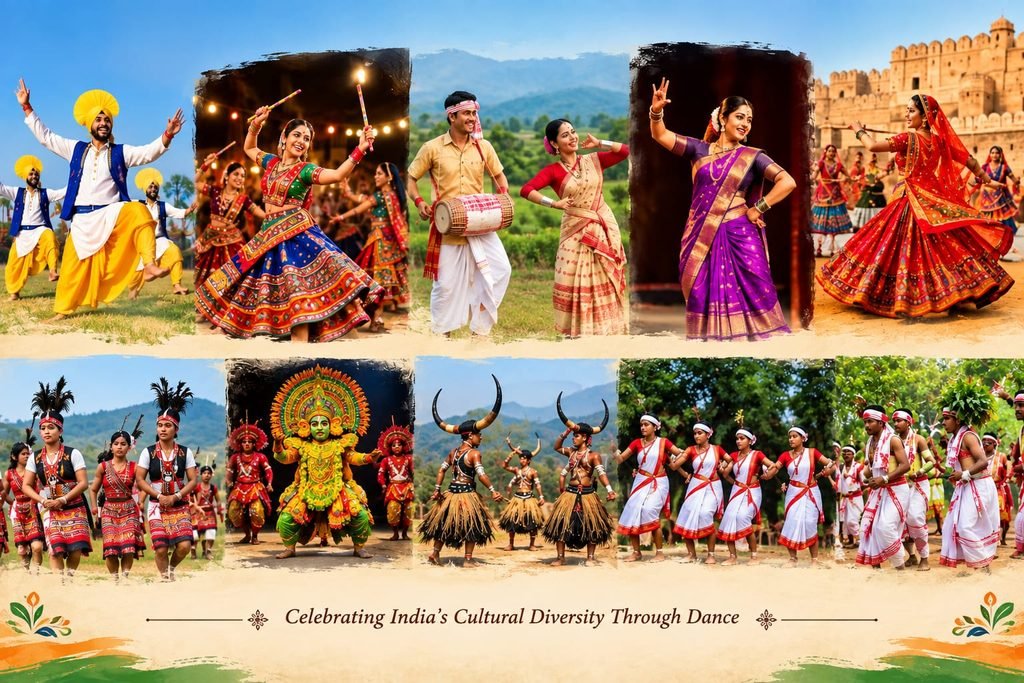
India has a wide variety of folk and tribal dance forms, with each state having its own unique traditions, music, costumes, and cultural practices. Some important folk and traditional dances of different Indian states are given below.
Maharastra
Important folk and traditional dance forms of Maharashtra include Kathakeertan, Lezim, Tamasha, Dahi Kala, Lovani, Mauni, Dashavtar, Dandaniya, Gafa and other regional dance traditions.
Karnataka
Karnataka is known for traditional dance forms such as Huttari, Suggi Kunitha, Yakshagana and other regional folk dances.
Kerala
Important folk and traditional dance forms of Kerala include Kaikottikali, Kaliyattam, Tappatikkali and other traditional dance forms.
Tamil Nadu
Tamil Nadu has several popular folk dances, including Kolattam, Pinnal Kolattam, Kummi, Kavadi, Karagam and other regional traditions.
Andhra Pradesh
Important folk and traditional dance forms of Andhra Pradesh include Ghanta Mardala, Veedhi Natakam, Burrakatha and other regional performances.
Odisha
Odisha is known for folk and traditional dance forms such as Ghumara Sanchar, Chadya Dandanata, Chhau and other regional performances.
Assam
Assam has a rich folk-dance tradition, including Bihu, Khel Gopal, Rash Leela, Tabal Chongli, Canoe and other community-based dances.
Punjab
The major folk dances of Punjab include Giddha (Women) and Bhangra (Men). These dances are closely associated with Punjabi festivals, celebrations, and cultural traditions.
Jammu & Kashmir
Important traditional dance forms of Jammu and Kashmir include Rouf, Hikat and other regional folk traditions.
Himachal Pradesh
Himachal Pradesh has several traditional dances, including Jhora, Jhali, Dangli, Mahasu, Jadda, Jhainta, Chharhi and other local dance forms.
Haryana
Important folk dances of Haryana include Jhumar, Dhamal, Loor, Gugga, Khoria, Ras Leela, Gagor and other traditional dances performed during festivals and social occasions.
Gujrat
Gujarat is famous for Garba, Dandiya Rass, Tippani, Gomph and other traditional folk dances. Garba and Dandiya Raas are particularly popular during the festival of Navratri.
Rajasthan
Rajasthan has a rich tradition of folk dances including Susuni, Ginad, Chakri, Gangore, Terahtaal, Khayal, Jhulan Leela, Jhuma and other regional dance forms.
Bihar
Important folk and traditional dance forms of Bihar include Jat-Jatin, Jhijhiya, Jadur, Samochakwa, Karma, Jatra, Natna, Chau, Kathaputli and other regional traditions.
Uttar Pradesh
Major folk and traditional dance forms of Uttar Pradesh include Nautanki, Raslila, Kajri, Chappeli, Thora and other regional performance traditions.
West BENGAL
Important folk and traditional dance forms of West Bengal include Kathi, Chhau, Baul, Kirtan, Jatra, Lama and other regional dance and performance traditions.
Conclusion
The dance traditions of India represent the country’s remarkable cultural diversity. Classical dances preserve highly developed artistic traditions, while folk and tribal dances reflect the customs, festivals, beliefs and everyday life of different communities. Together, these dance forms are important part of India’s cultural heritage and continue to be performed and celebrated in India and around the world.
https://ich.unesco.org/en/state/india-IN?info=elements-on-the-lists&utm_source=chatgpt.com