Prevention of Insults to National Honour Amendment Bill 2026: Vande Mataram Legal Protection : वंदे मातरम् की कानूनी सुरक्षा का विस्तार

राष्ट्रीय सम्मान अपमान निवारण (संशोधन) विधेयक 2026 भारत के राष्ट्रीय प्रतीकों से जुड़े कानून में एक महत्वपूर्ण बदलाव है। इस संशोधन के जरिए राष्ट्रीय गान ‘जन गण मन’ को मिलने वाली कानूनी सुरक्षा का दायरा बढ़ाकर राष्ट्रीय गीत ‘वंदे मातरम्’ को भी इसमें शामिल किया गया है।https://www.indiacode.nic.in/indiacode/?locale=hi

इस संशोधन के तहत राष्ट्रीय सम्मान अपमान निवारण अधिनियम 1971 की धारा 3 में बदलाव किया गया है। अब जिस तरह जानबूझकर राष्ट्रीय गान गाने में रुकावट डालना या उसके दौरान किसी सभा में जानबूझकर व्यवधान पैदा करना अपराध है, उसी तरह ‘वंदे मातरम्’ के गायन में जानबूझकर रुकावट डालना या उसके दौरान किसी सभा में व्यवधान पैदा करना भी अपराध माना जाएगा।

1971 के कानून और 2026 के संशोधन में क्या बदलाव हुआ?

विशेषता| 1971 का कानून| 2026 का संशोधन
धारा 3 के तहत सुरक्षा| यह सुरक्षा केवल राष्ट्रीय गान ‘जन गण मन’ के लिए थी।| अब यह सुरक्षा ‘जन गण मन’ और ‘वंदे मातरम्’ दोनों के लिए लागू होगी।
कौन-सा व्यवहार अपराध है?| जानबूझकर राष्ट्रीय गान गाने में रुकावट डालना या उसके दौरान किसी सभा में व्यवधान पैदा करना अपराध है।| यही नियम अब राष्ट्रीय गान और राष्ट्रीय गीत दोनों पर लागू होगा।
सजा| तीन साल तक की जेल, या जुर्माना, या दोनों।| सजा में कोई बदलाव नहीं किया गया है।
दोबारा अपराध करने पर| 2003 में जोड़े गए प्रावधान के अनुसार, धारा 2 या 3 के तहत दूसरी या उसके बाद की बार दोषी पाए जाने पर कम से कम एक साल की जेल हो सकती है।| यही सजा ‘वंदे मातरम्’ से जुड़े समान अपराध पर भी लागू होगी।

वंदे मातरम् का ऐतिहासिक संदर्भ

  • वंदे मातरम् का अर्थ: ‘वंदे मातरम्’ का अर्थ है “माता, तुम्हें नमन करता हूँ।” इसकी रचना बंकिम चंद्र चट्टोपाध्याय ने की थी। यह गीत पहली बार 7 नवंबर 1875 को साहित्यिक पत्रिका बंगदर्शन में प्रकाशित हुआ था। बाद में इसे 1882 में प्रकाशित उनके प्रसिद्ध उपन्यास आनंदमठ में शामिल किया गया।
  • स्वतंत्रता संग्राम में महत्व: ‘वंदे मातरम्’ धीरे-धीरे भारत के स्वतंत्रता आंदोलन का एक महत्वपूर्ण और शक्तिशाली प्रतीक बन गया। 1878 में कलकत्ता में आयोजित भारतीय राष्ट्रीय कांग्रेस के अधिवेशन में पहली बार इसे गाया गया था।
  • स्वदेशी आंदोलन में भूमिका: स्वदेशी आंदोलन के दौरान ‘वंदे मातरम्’ राष्ट्रीय आंदोलन का एक प्रमुख नारा बन गया। इसका इस्तेमाल लोगों को एकजुट करने और ब्रिटिश शासन के खिलाफ आवाज उठाने के लिए किया जाता था।
  • संविधान सभा द्वारा सम्मान: बाद में संविधान सभा ने भी ‘वंदे मातरम्’ के ऐतिहासिक महत्व को स्वीकार किया। 24 जनवरी 1950 को डॉ. राजेंद्र प्रसाद ने कहा था कि ‘वंदे मातरम्’ को ‘जन गण मन’ के समान सम्मान दिया जाना चाहिए।

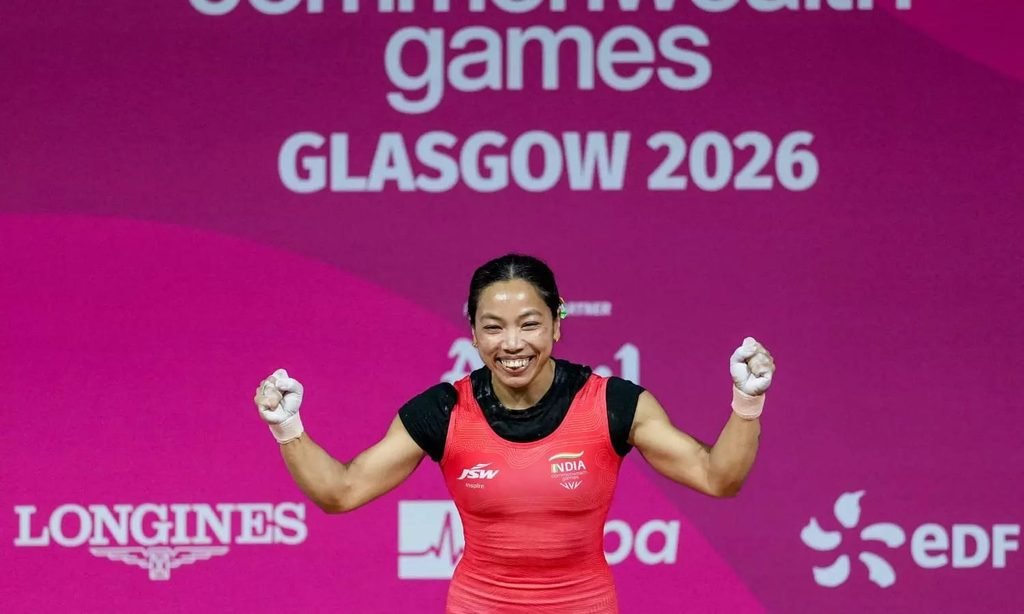
Commonwealth Games 2026: India Medal Winners, Medal Tally and Important Facts

The 2026 Commonwealth Games were held in Glasgow, Scotland, from 23 July to 2 August 2026.https://www.glasgow2026.com/news/4552333/no-glasgow-no-party-commonwealth-games-redefined Glasgow hosted the Games across four venues, with athletes from 74 nations and territories competing across a 10-sport programme.

Commonwealth Games 2026 Medal Tally

Australia topped the medal table with 171 medals, including 70 Gold, 45 Silver and 56 Bronze.

Commonwealth Games 2026 Medal Tally

Australia topped the medal table with 171 medals, including 70 Gold, 45 Silver and 56 Bronze.https://www.glasgow2026.com/medals

RankCountryGoldSilverBronzeTotal
1Australia704556171
2England294536110
3Canada19202362
4India1317939

India finished 4th in the overall medal standings with 39 medals — 13 Gold, 17 Silver and 9 Bronze.

India’s Medal Performance by Sport

India won medals across Boxing, Athletics and Para Athletics, Weightlifting, Judo and Para Powerlifting.

SportGoldSilverBronzeTotal
Boxing73010
Athletics & Para Athletics37616
Weightlifting1618
Judo2114
Para Powerlifting0011
Total1317939

India’s Gold Medal Winners at Commonwealth Games 2026

No.AthleteEventSportMedal
1Mirabai ChanuWomen’s 48kgWeightliftingGold
2Sharmila DhankarWomen’s Shot Put F57Para AthleticsGold
3Dilip GavitMen’s 100m T47Para AthleticsGold
4Asmita DeyWomen’s 48kgJudoGold
5Harsh SinghMen’s 60kgJudoGold
6Soman RanaMen’s Shot Put F57Para AthleticsGold
7Preeti PawarWomen’s BoxingBoxingGold
8Jaismine LamboriaWomen’s 57kgBoxingGold
9Sakshi ChaudharyWomen’s 51kgBoxingGold
10Priya GhanghasWomen’s 60kgBoxingGold
11Arundhati ChoudharyWomen’s 70kgBoxingGold
12Sachin SiwachMen’s 60kgBoxingGold
13Ankush PanghalMen’s 80kgBoxingGold

India won 13 Gold medals in total. Eight of these gold medals were won by women athletes.


India’s Silver Medal Winners

No.AthleteEventSportMedal
1Rishikanta SinghMen’s 60kgWeightliftingSilver
2Muthupandi RajaMen’s 65kgWeightliftingSilver
3Gyaneshwari YadavWomen’s 53kgWeightliftingSilver
4Valluri BabuMen’s 79kgWeightliftingSilver
5Harjinder KaurWomen’s 69kgWeightliftingSilver
6Lovepreet SinghMen’s 110+kgWeightliftingSilver
7Sarvesh Anil KushareMen’s High JumpAthleticsSilver
8Gulveer SinghMen’s 10,000mAthleticsSilver
9Murali SreeshankarMen’s Long JumpAthleticsSilver
10Mohammed MorssinganakathMen’s 100m T47Para AthleticsSilver
11Neeraj ChopraMen’s Javelin ThrowAthleticsSilver
12Praveen ChithravelMen’s Triple JumpAthleticsSilver
13Shubham JuyalMen’s Shot Put F57Para AthleticsSilver
14Yamini MouryaWomen’s 57kgJudoSilver
15Jadumani SinghMen’s 55kgBoxingSilver
16Lovlina BorgohainWomen’s 75kgBoxingSilver
17Narender BerwalMen’s +90kgBoxingSilver

India won 17 Silver medals in total.


India’s Bronze Medal Winners

No.AthleteEventSportMedal
1Jhandu KumarMen’s HeavyweightPara PowerliftingBronze
2Bindyarani SorokhaibamWomen’s 58kgWeightliftingBronze
3Shilpa ShylaWomen’s Shot Put F57Para AthleticsBronze
4SeemaWomen’s Discus ThrowAthleticsBronze
5Tejaswin ShankarMen’s DecathlonAthleticsBronze
6Yash SinghMen’s Javelin ThrowAthleticsBronze
7Selva ThirumaranMen’s Triple JumpAthleticsBronze
8Unnati SharmaWomen’s 63kgJudoBronze
9Gulveer SinghMen’s 5000mAthleticsBronze

India won 9 Bronze medals in total.


Commonwealth Games 2030: Ahmedabad / Amdavad

The 2030 Commonwealth Games will be hosted by Amdavad (Ahmedabad), Gujarat, India.

Amdavad was formally ratified as the host of the Centenary Commonwealth Games at the Commonwealth Sport General Assembly in Glasgow in November 2025. The 2030 edition will mark the 100th anniversary of the Commonwealth Games, whose first edition was held in Hamilton, Canada, in 1930.

During the closing ceremony of Glasgow 2026, the Commonwealth Games flag and host baton were handed over to India/Amdavad, officially beginning the journey towards the 2030 Games.

India last hosted the Commonwealth Games in New Delhi in 2010. Therefore, Amdavad 2030 will mark India’s return as host after two decades and will be the first Commonwealth Games held in Gujarat.

The Amdavad 2030 Games will be particularly significant because they will be the Centenary Commonwealth Games, making the event an important milestone in the history of Commonwealth Sport and Indian sports.

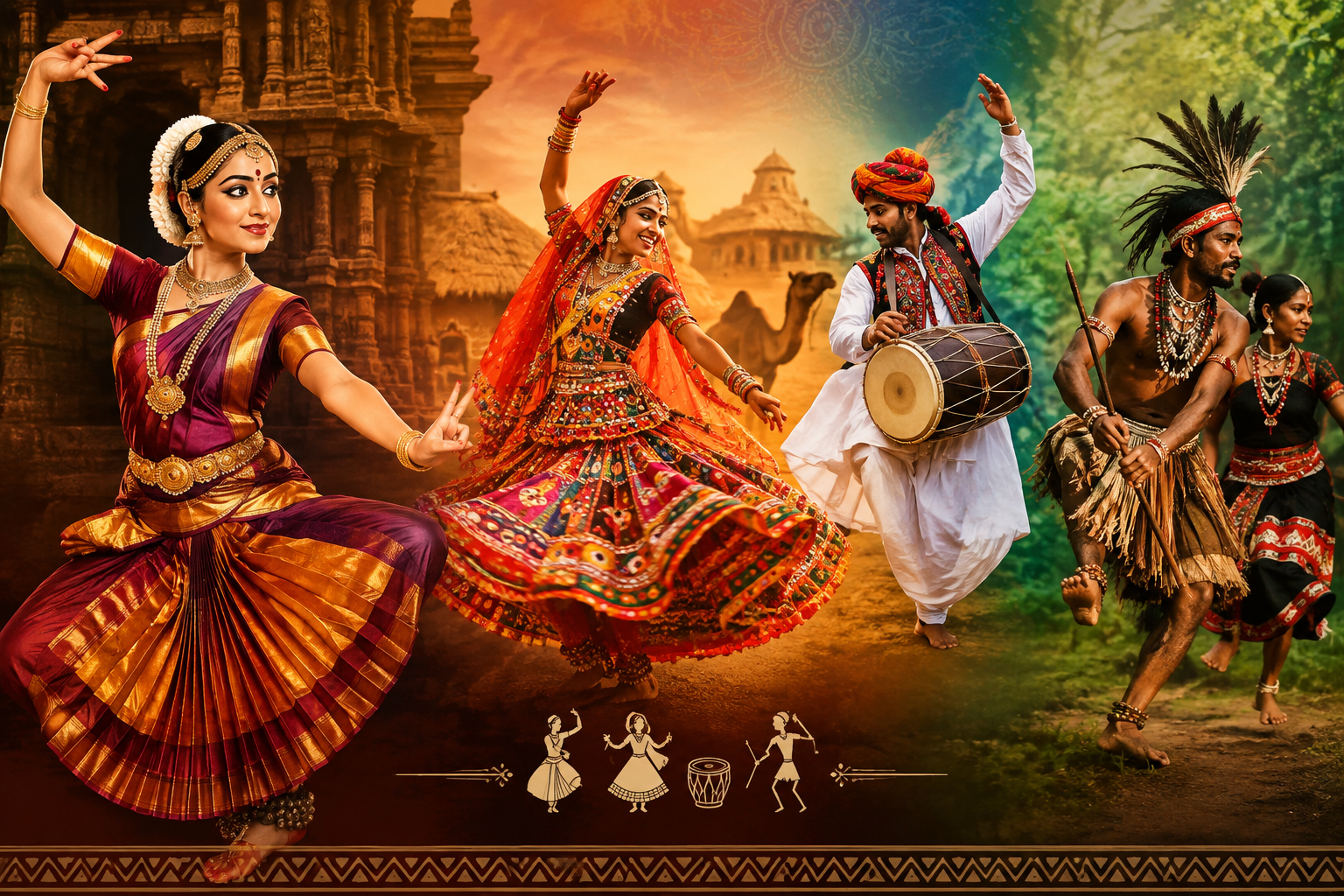
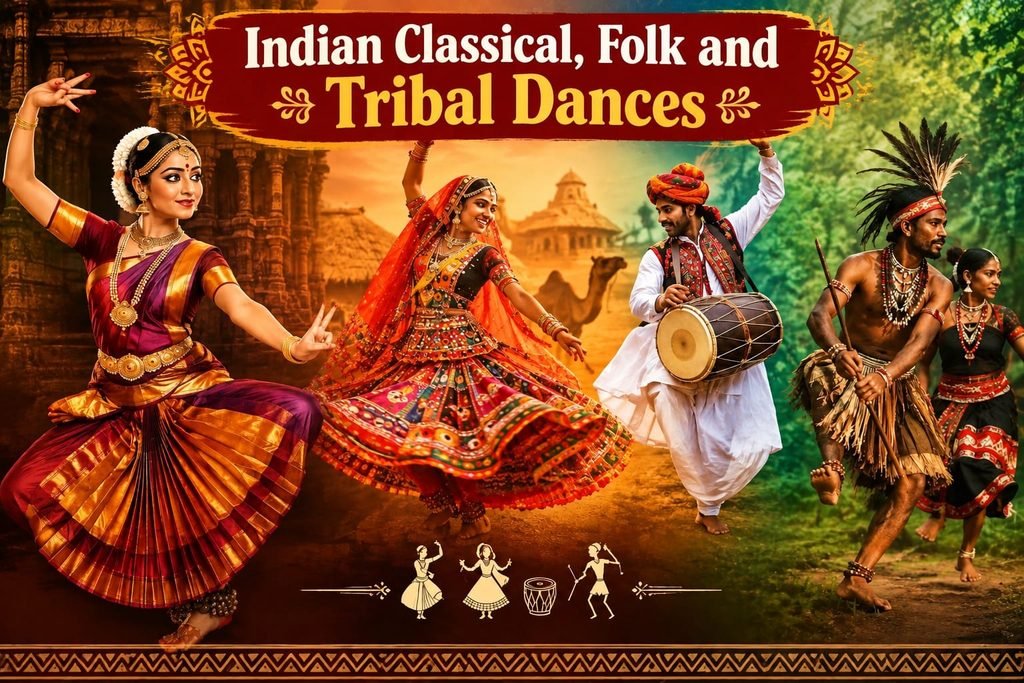
Indian Classical, Folk and Tribal Dances: Complete List, States, History and Famous Dancers

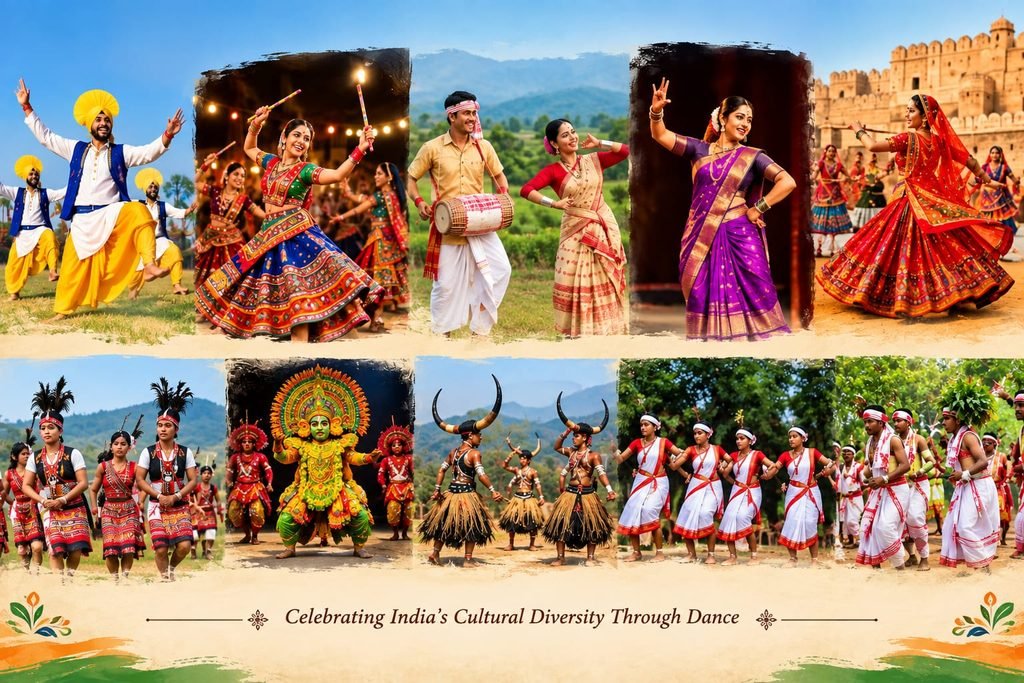
Indian Classical, Folk and Tribal Dances represent the rich and diverse cultural heritage of India. Each dance form reflects the country’s history, traditions, customs, regional identity, and way of life. These dances are performed through distinctive music, colorful costumes, expressive movements, traditional rituals, and storytelling, showcasing the remarkable cultural diversity of India. From the graceful movements of classical dance forms to the vibrant celebrations of folk and tribal communities, these dances continue to preserve and represent India’s rich cultural heritage

Famous Classical Dances Of India : States, History, Features, and Famous Dancers

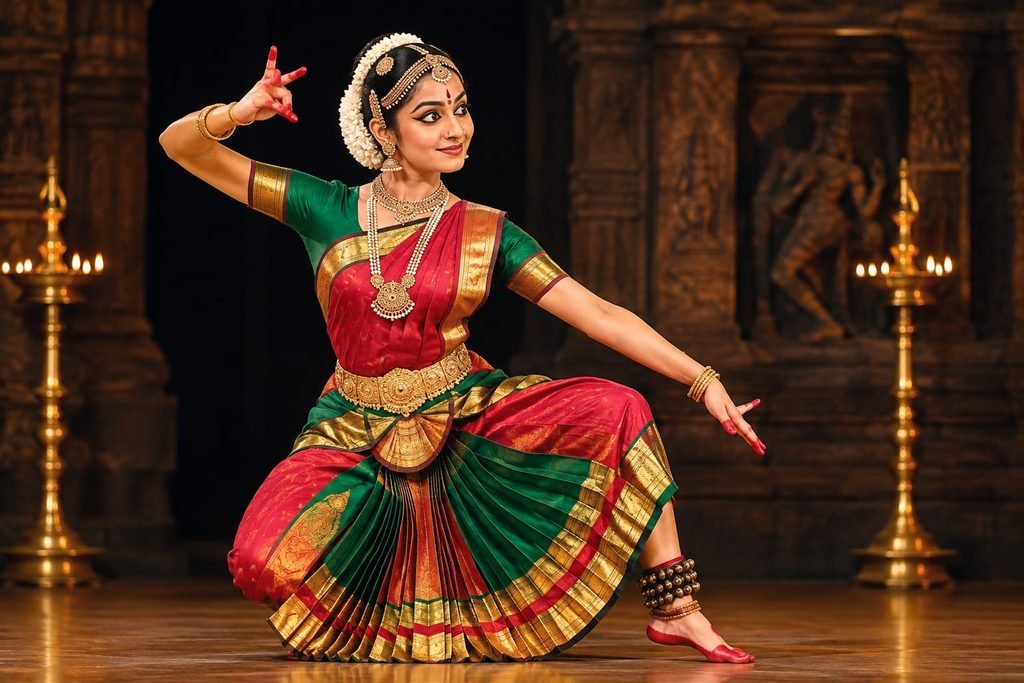
1. Bharatnatyam

Bharatanatyam is one of the oldest and most popular classical dance forms of India. It originated in the state of Tamil Nadu and is known for its graceful movements, expressive gestures, and rich cultural heritage. The dance form is based on the principles of the Natya Shastra and combines rhythm, music, and storytelling.

State: Tamil Nadu

Musical Instruments Used:

  • Mridangam
  • Violin
  • Flute
  • Cymbals (Taal/Kartal)

Famous Bharatanatyam Dancers:

  • Balasaraswati
  • Rukmini Devi
  • Yamini Krishnamurti
  • Mrinalini Sarabhai
  • Shanta Rao
  • Leela Samson
  • Padma Subrahmanyam
  • C. V. Chandrasekhar
  • Kamala
  • Sanyukta Panigrahi
  • Sonal Mansingh
  • Vyjayanthimala

Bharatanatyam is widely performed across India and around the world and remains an important part of Indian classical dance traditions.

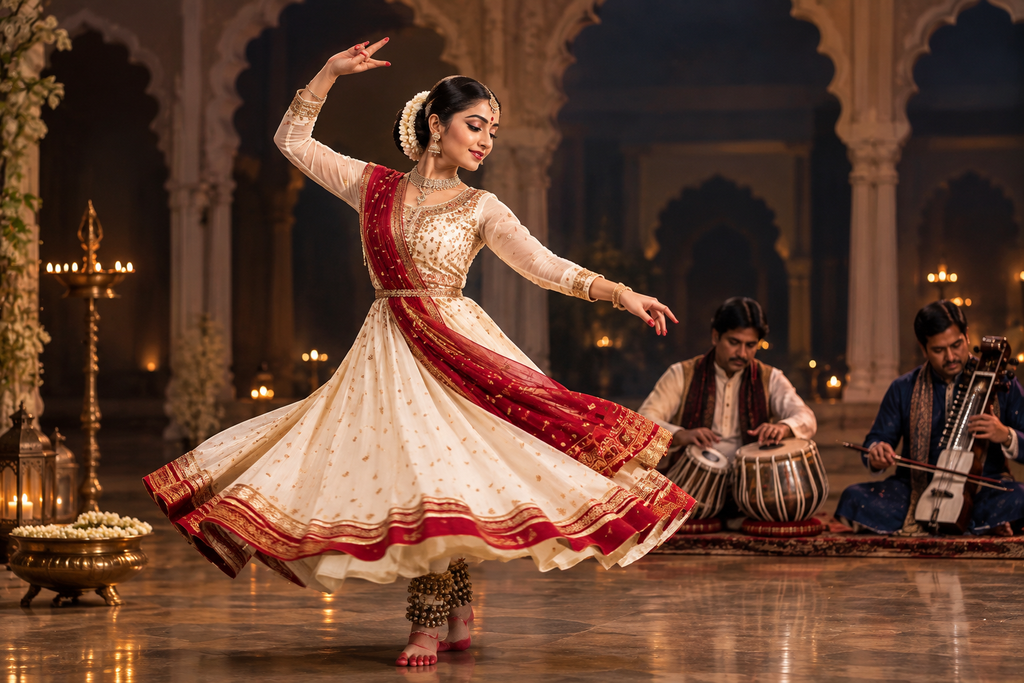
2. Kathak

Kathak is one of the major classical dance forms of India. It is mainly performed in Northern India. The word Kathak comes from the Sanskrit word Katha, which means “story.” In ancient times, Kathak dancers used dance, music, and expressions to tell stories from Indian mythology and history.

Region: Northern India

Musical Instruments Used:

  • Tabla
  • Sarangi

Famous Kathak Dancers:

  • Sitara Devi
  • Birju Maharaj
  • Gopi Krishna
  • Sambhu Maharaj
  • Achan Maharaj
  • Uma Sharma
  • Bharati Gupta
  • Damayanti Joshi
  • Durga Das
  • Kumudini Lakhia

Key Features of Kathak:

  • Fast footwork
  • Graceful spins (Chakkars)
  • Expressive hand gestures and facial expressions
  • Storytelling through dance
  • Strong connection with classical music

Kathak is one of the most popular classical dances in India and is performed at cultural events and festivals across the country and around the world.

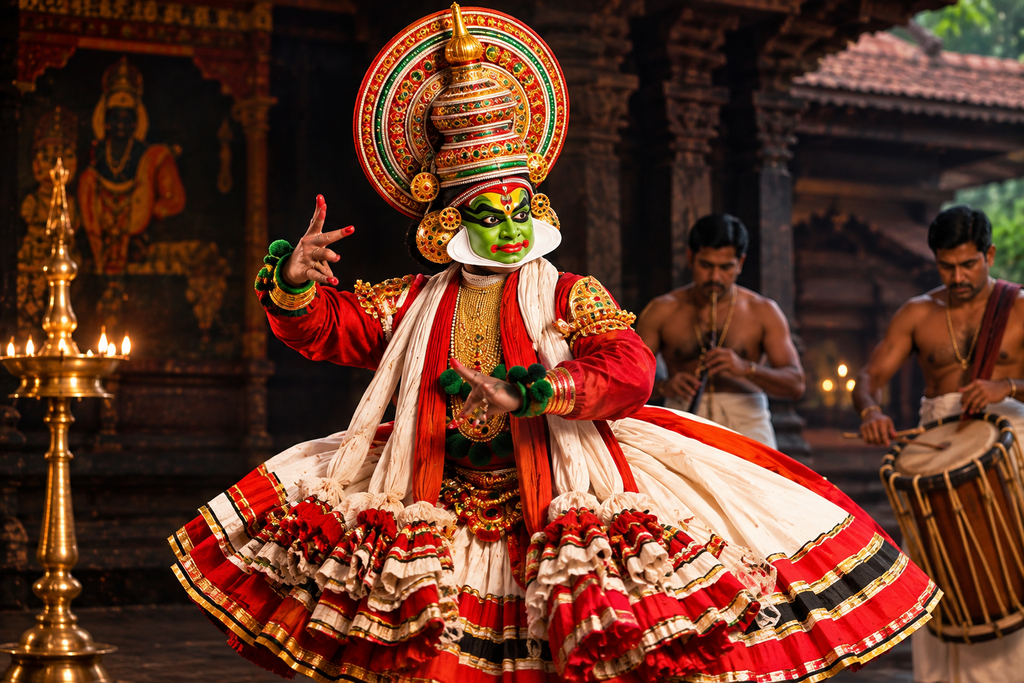
3. Kathakali

Kathakali is one of the major classical dance forms of India. It originated in the state of Kerala and is famous for its colorful costumes, detailed makeup, and powerful facial expressions. Kathakali performances usually tell stories from Indian epics such as the Ramayana and the Mahabharata.

State: Kerala

Musical Instruments Used:

  • Drums
  • Cymbals (Kartal)
  • Vocal music is also used to support the performance

Famous Kathakali Artists:

  • Guru Kunchu Kurup
  • Madavoor Vasudevan Nair
  • Kottakkal Sivaraman
  • Kalamandalam Gopi
  • Kalamandalam Ramankutty Nair
  • Guru Gopinath

Key Features of Kathakali:

  • Colorful costumes and makeup
  • Elaborate face painting and masks
  • Strong facial expressions
  • Storytelling based on Indian epics
  • Accompanied by music and drums

Kathakali is one of the most unique classical dances of India. It is known for its dramatic style, expressive gestures, and traditional performances that reflect the rich culture of Kerala.

4. Kuchipudi

Kuchipudi is one of the major classical dance forms of India. It originated in the state of Andhra Pradesh and is known for its graceful movements, expressive storytelling, and combination of dance and drama. The dance form takes its name from Kuchipudi village in Andhra Pradesh, where it was first developed.

State: Andhra Pradesh

Musical Instruments Used:

  • Mridangam
  • Violin
  • Flute
  • Tambura
  • Cymbals (Kartal)

Famous Kuchipudi Dancers:

  • Vempati Chinna Satyam
  • Vedantam Satyanarayana Sarma
  • Raja and Radha Reddy
  • Yamini Reddy
  • Sobha Naidu

Key Features of Kuchipudi:

  • Combination of dance, music, and drama
  • Expressive facial expressions and hand gestures
  • Fast footwork and graceful body movements
  • Performances often based on stories from Hindu mythology
  • Dancers may perform on the rim of a brass plate, which is a unique feature of Kuchipudi

Kuchipudi is famous for its lively style and storytelling. It is one of the most popular classical dance forms of India and represents the rich cultural heritage of Andhra Pradesh.

Quick Exam Notes:

  • Kuchipudi → Andhra Pradesh
  • Origin → Kuchipudi Village
  • Main Instruments → Mridangam, Flute, Violin
  • Famous Artist → Vempati Chinna Satyam
  • Known For → Dance-drama style and brass plate performance

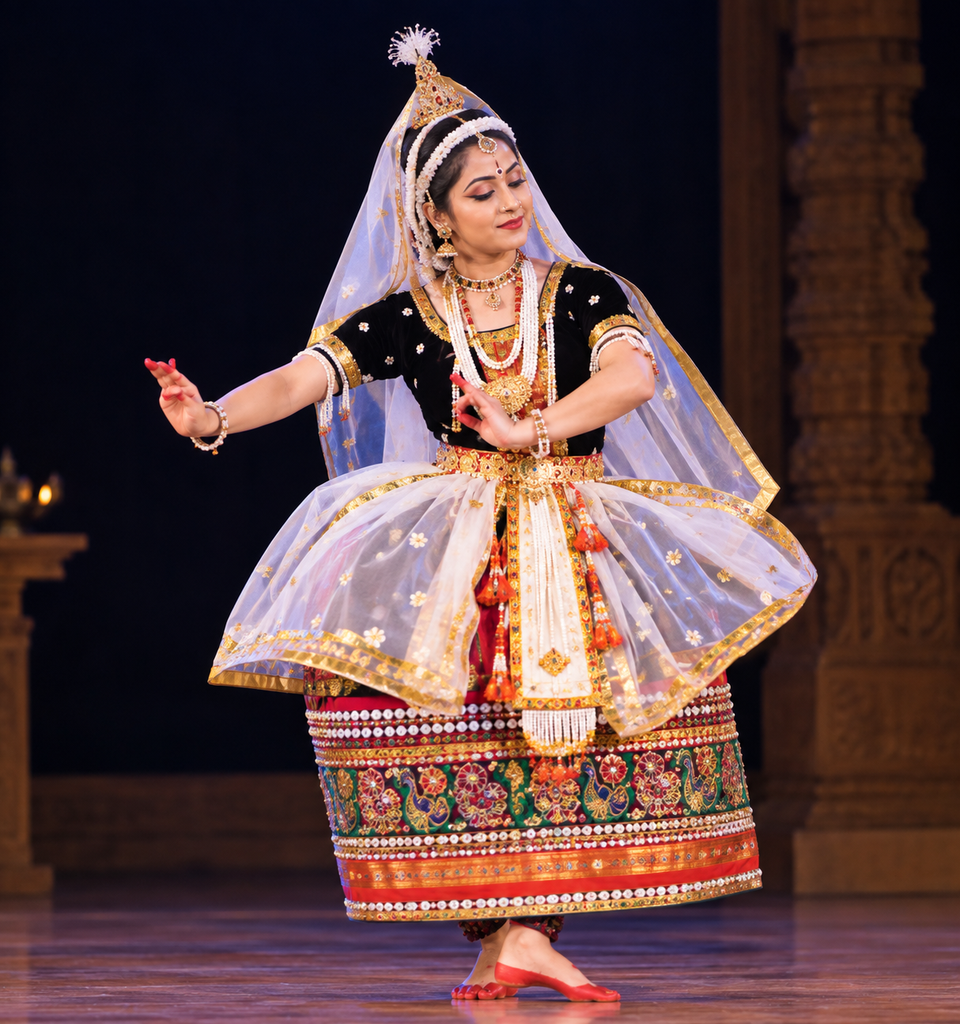
5. Manipuri

Manipuri is one of the major classical dance forms of India. It originated in the state of Manipur and is known for its soft, graceful, and devotional movements. This dance form is closely associated with the stories of Radha and Krishna and is an important part of the cultural heritage of Manipur.

State: Manipur

Musical Instruments Used:

  • Khol
  • Manjira (Cymbals)
  • Flute
  • Other traditional instruments

Famous Manipuri Dancers:

  • Guru Bipin Singh
  • Jhaveri Sisters
  • Nayana Jhaveri
  • Nirmala Mehta
  • Savita Mehta
  • T Nadia Singh

Key Features of Manipuri:

  • Soft and graceful dance movements
  • Coordinated movements of the hands, head, and feet
  • Often based on the life and stories of Radha and Krishna
  • Both male and female performers take part in the dance
  • Rich costumes and devotional music

Manipuri is admired for its elegance and spiritual beauty. The dance focuses on smooth body movements, expressions, and rhythm, making it one of the most unique classical dance forms of India.

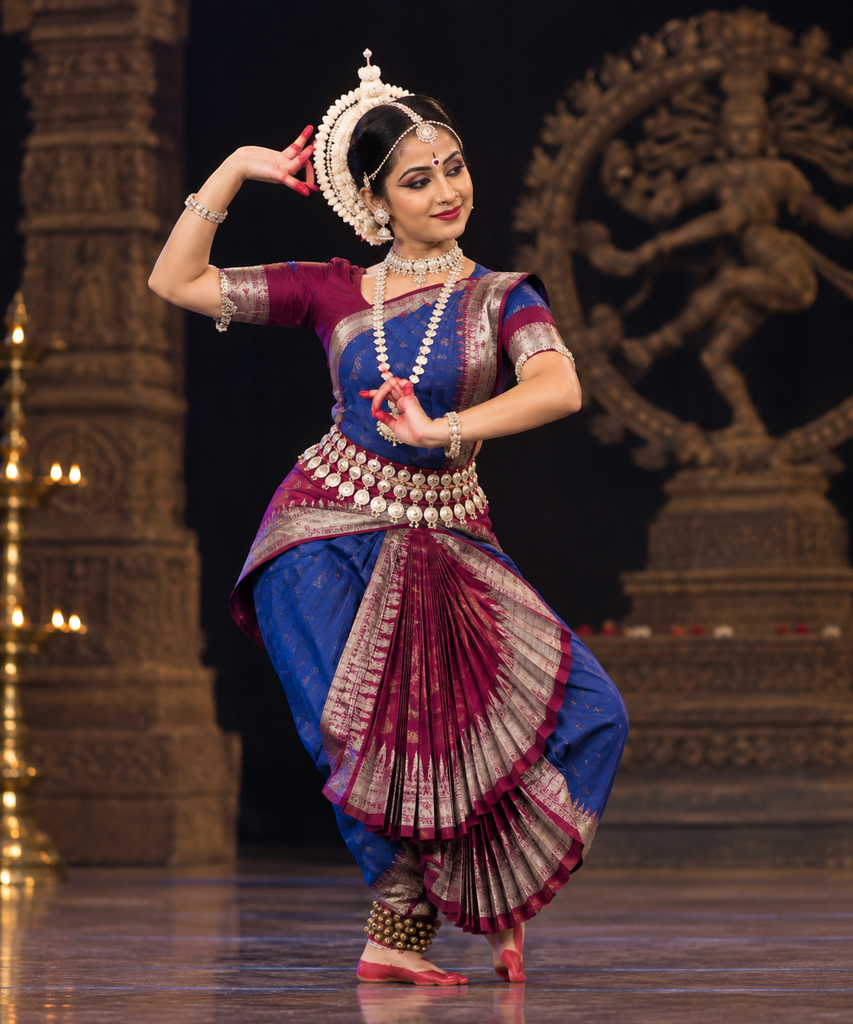
6. Odissi

Odissi is one of the oldest classical dance forms of India. It originated in the state of Odisha and is known for its graceful movements, beautiful poses, and expressive storytelling. Many performances are based on themes from Hindu mythology, especially the stories of Lord Krishna.

State: Odisha

Musical Instruments Used:

  • Drum (Mardala)
  • Cymbals (Kartal)
  • Flute
  • String instruments

Famous Odissi Dancers:

  • Guru Kelucharan Mohapatra
  • Guru Deba Prasad Das
  • Dhirendra Nath Pattnaik
  • Sujata Mahapatra
  • Kumkum Mohanty
  • Sonal Mansingh

Key Features of Odissi:

  • Graceful body movements
  • Beautiful hand gestures and facial expressions
  • Sculptural poses inspired by temple art
  • Storytelling through dance and music
  • Often based on themes from Hindu mythology

Odissi is famous for its elegance and artistic beauty. It reflects the rich cultural heritage of Odisha and is performed on stages across India and around the world.

Quick Exam Notes:

  • Odissi → Odisha
  • Main Instruments → Mardala (Drum), Kartal, Flute
  • Famous Artist → Kelucharan Mohapatra
  • Known For → Graceful movements and temple-inspired poses

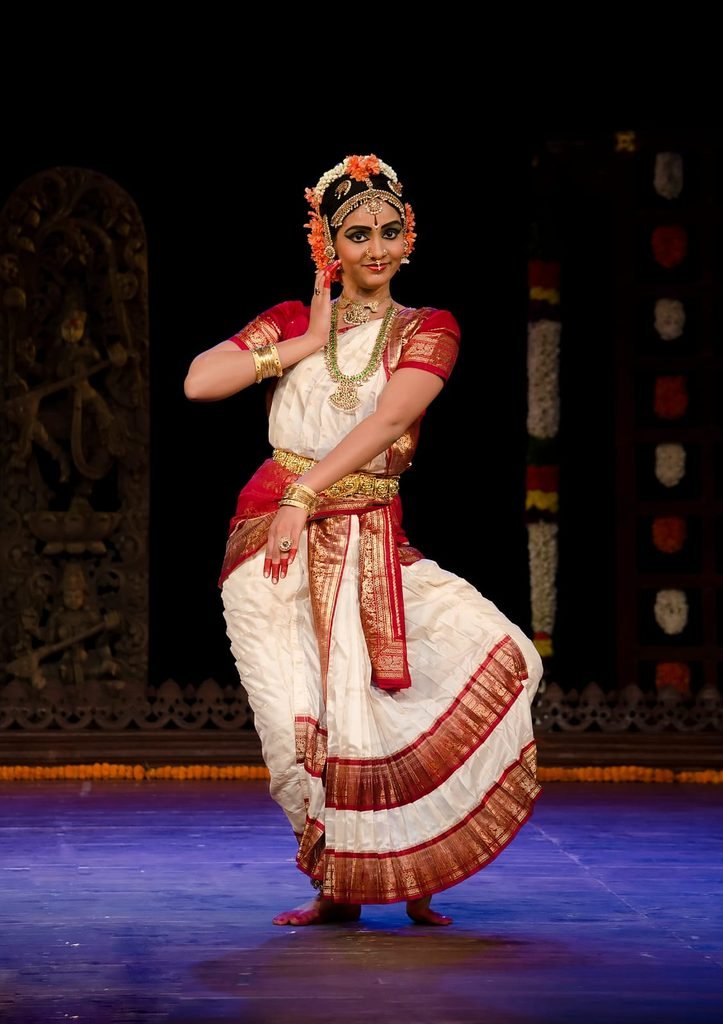
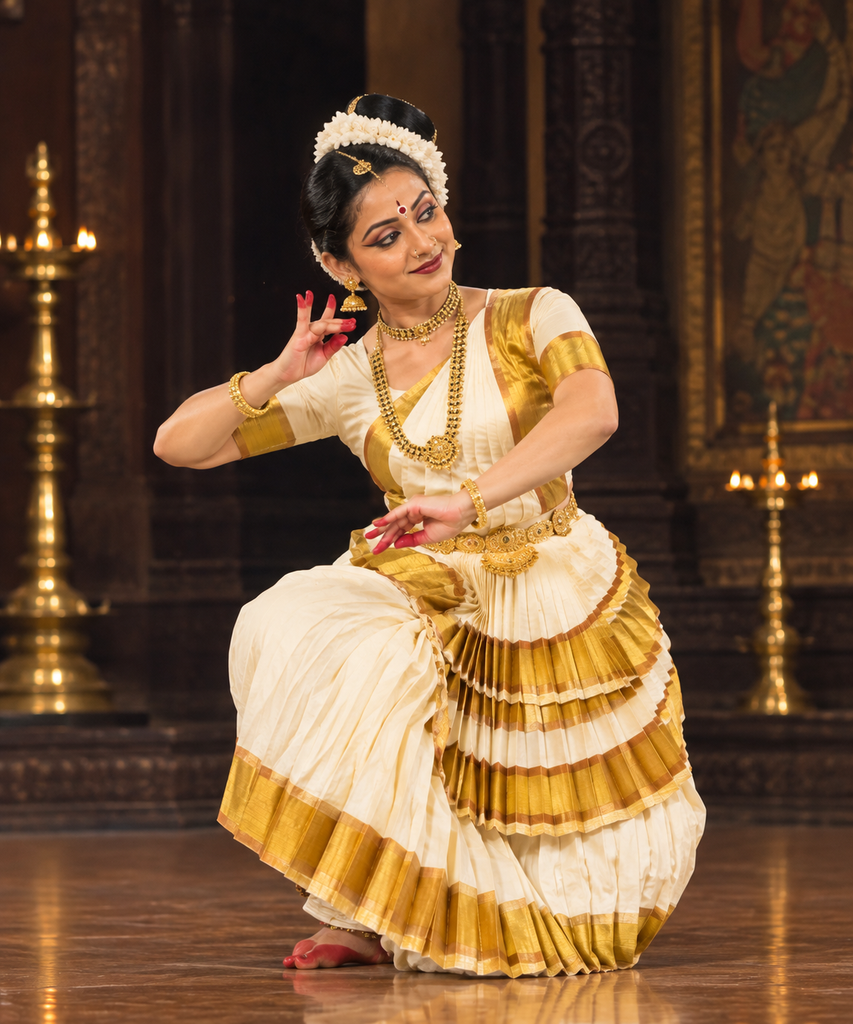
7. Mohiniyattam

Mohiniyattam is one of the major classical dance forms of India. It originated in the state of Kerala and is mainly performed by women. The word Mohini means a beautiful and enchanting woman who can attract or charm people. The dance is known for its gentle, graceful, and flowing movements.

State: Kerala

Musical Instruments Used:

  • Mridangam
  • Edakka
  • Flute
  • Veena
  • Cymbals (Kartal)

Famous Mohiniyattam Dancers:

  • Kalamandalam Kalyanikutty Amma
  • Bharati Shivaji
  • Kanak Rele
  • Sunanda Nair
  • Jayaprabha Menon

Key Features of Mohiniyattam:

  • Mainly performed as a solo dance
  • Usually performed by female dancers
  • Soft, graceful, and slow movements
  • Uses beautiful hand gestures and facial expressions
  • Has similarities with Bharatanatyam in its use of expressions and hand gestures
  • Traditional costumes are usually white or off-white with a golden border
  • Many performances are based on stories of Lord Vishnu, Krishna, and other Hindu traditions

Mohiniyattam is known for its simple beauty, gentle movements, and expressive style. It is an important part of the cultural heritage of Kerala.

Quick Exam Notes:

  • Mohiniyattam → Kerala
  • Meaning of Mohini → Enchanting/Charming Woman
  • Mainly Performed By → Women
  • Performance Style → Mostly Solo
  • Known For → Graceful and flowing movements
  • Famous Dancer → Kanak Rele

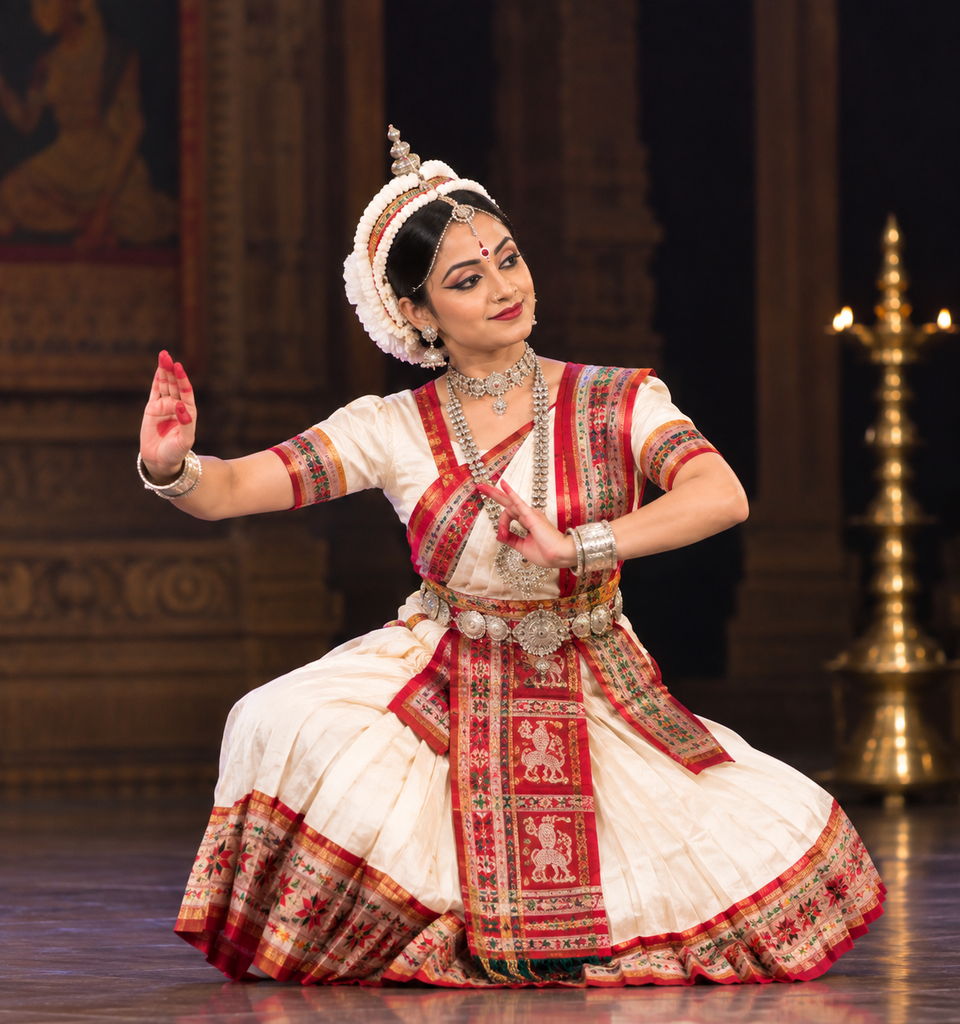
8. sattriya

Sattriya is one of the eight classical dance forms of India. It originated in Assam and was traditionally performed in Sattras (Vaishnavite monasteries) as part of devotional and religious practices. The dance combines graceful movements, expressive gestures, music, and storytelling, mainly depicting stories related to Lord Krishna and Vaishnavism.

State: Assam
Famous Artist: Jatin Goswami

Famous Folk and Tribal Dances Of India and Their States

India has a wide variety of folk and tribal dance forms, with each state having its own unique traditions, music, costumes, and cultural practices. Some important folk and traditional dances of different Indian states are given below.

Maharastra

Important folk and traditional dance forms of Maharashtra include Kathakeertan, Lezim, Tamasha, Dahi Kala, Lovani, Mauni, Dashavtar, Dandaniya, Gafa and other regional dance traditions.

Karnataka

Karnataka is known for traditional dance forms such as Huttari, Suggi Kunitha, Yakshagana and other regional folk dances.

Kerala

Important folk and traditional dance forms of Kerala include Kaikottikali, Kaliyattam, Tappatikkali and other traditional dance forms.

Tamil Nadu

Tamil Nadu has several popular folk dances, including Kolattam, Pinnal Kolattam, Kummi, Kavadi, Karagam and other regional traditions.

Andhra Pradesh

Important folk and traditional dance forms of Andhra Pradesh include Ghanta Mardala, Veedhi Natakam, Burrakatha and other regional performances.

Odisha

Odisha is known for folk and traditional dance forms such as Ghumara Sanchar, Chadya Dandanata, Chhau and other regional performances.

Assam

Assam has a rich folk-dance tradition, including Bihu, Khel Gopal, Rash Leela, Tabal Chongli, Canoe and other community-based dances.

Punjab

The major folk dances of Punjab include Giddha (Women) and Bhangra (Men). These dances are closely associated with Punjabi festivals, celebrations, and cultural traditions.

Jammu & Kashmir

Important traditional dance forms of Jammu and Kashmir include Rouf, Hikat and other regional folk traditions.

Himachal Pradesh

Himachal Pradesh has several traditional dances, including Jhora, Jhali, Dangli, Mahasu, Jadda, Jhainta, Chharhi and other local dance forms.

Haryana

Important folk dances of Haryana include Jhumar, Dhamal, Loor, Gugga, Khoria, Ras Leela, Gagor and other traditional dances performed during festivals and social occasions.

Gujrat

Gujarat is famous for Garba, Dandiya Rass, Tippani, Gomph and other traditional folk dances. Garba and Dandiya Raas are particularly popular during the festival of Navratri.

Rajasthan

Rajasthan has a rich tradition of folk dances including Susuni, Ginad, Chakri, Gangore, Terahtaal, Khayal, Jhulan Leela, Jhuma and other regional dance forms.

Bihar

Important folk and traditional dance forms of Bihar include Jat-Jatin, Jhijhiya, Jadur, Samochakwa, Karma, Jatra, Natna, Chau, Kathaputli and other regional traditions.

Uttar Pradesh

Major folk and traditional dance forms of Uttar Pradesh include Nautanki, Raslila, Kajri, Chappeli, Thora and other regional performance traditions.

West BENGAL

Important folk and traditional dance forms of West Bengal include Kathi, Chhau, Baul, Kirtan, Jatra, Lama and other regional dance and performance traditions.

Conclusion

The dance traditions of India represent the country’s remarkable cultural diversity. Classical dances preserve highly developed artistic traditions, while folk and tribal dances reflect the customs, festivals, beliefs and everyday life of different communities. Together, these dance forms are important part of India’s cultural heritage and continue to be performed and celebrated in India and around the world.

https://ich.unesco.org/en/state/india-IN?info=elements-on-the-lists&utm_source=chatgpt.com

How to Kickstart Government Job Prep in 2026

सरकारी नौकरी की तैयारी कैसे शुरू करें,How to start preparation for government jobs

भारत में हर साल कई उम्मीदवार सरकारी नौकरियों के लिए आवेदन करते हैं.

SSC, Railway, Banking, UPSC और Defense जैसे क्षेत्रों की पहचान जरूरी है.

पर प्रारम्भिक चरणों में उन्हें 10वीं, 12वीं या स्नातक क्वालिफिकेशन समझना मुश्किल होता है.

Additionally, आयु अनुसार कौन-सा exam चुनना है, यह विकल्प भी स्पष्ट नहीं होता.

Are you looking to start preparation for government jobs but unsure which option suits you? Moreover, this guide is for you (सरकारी नौकरी की तैयारी How शुरू करें,How to start preparation for government jobs).

Government Job Preparation Roadmap 2026

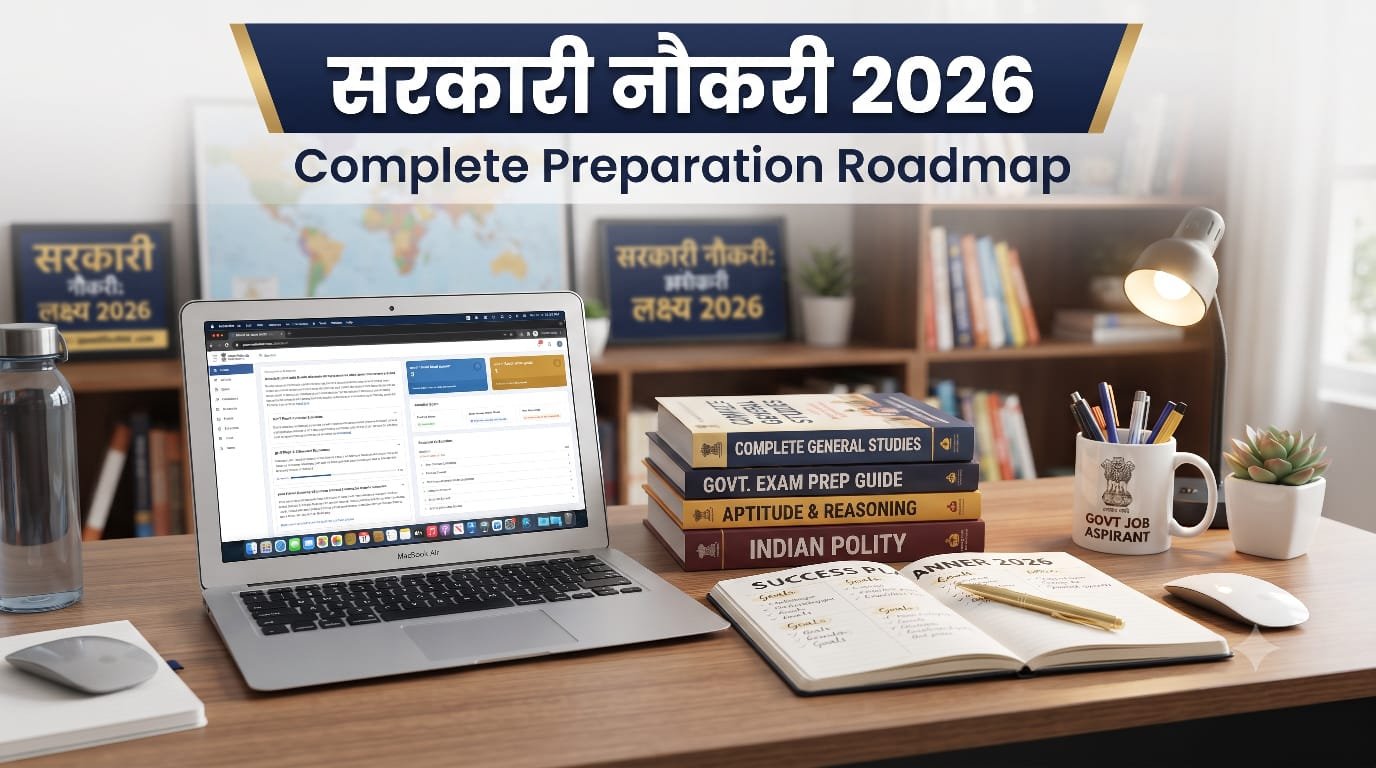
इस article में हम आपको एक आसान Government Job Preparation Roadmap 2026 देंगे.

यह roadmap सरकारी नौकरी चुनने से लेकर exam preparation तक जानकारी देता है.

Additionally, सरकारी नौकरी की तैयारी How शुरू करें,How to start preparation for government jobs शामिल उम्र, eligibility, fees आदि बताएगा.

महत्वपूर्ण नोट: सरकारी नौकरी की age limit, application fee, vacancies, salary और eligibility भर्ती के अनुसार बदल सकती है। इसके अलावा, आवेदन करने से पहले संबंधित भर्ती की official notification अवश्य देखें।

इसके अलावा, सरकारी नौकरी क्या है?

लोग इसे क्यों पसंद करते हैं, सरकारी नौकरी की तैयारी How शुरू करें,How to start preparation for government jobs?

सरकारी नौकरी केंद्र सरकार, राज्य सरकार या सरकारी विभागों/संस्थानों में मिलती है।

इसके अलावा, इनमें अलग-अलग स्तर की नौकरियाँ होती हैं।

जैसे Clerk, Assistant, Inspector, Officer, Teacher, Police, Railway कर्मचारी, Defense personnel और Civil Services अधिकारी।

सरकारी नौकरी की तैयारी How शुरू करें,How to start preparation for government jobs.

सरकारी नौकरी के प्रमुख फायदे हैं:

  • नौकरी की अपेक्षाकृत अच्छी सुरक्षा
  • नियमित वेतन
  • विभिन्न प्रकार के allowances
  • सरकारी नियमों के अनुसार छुट्टियाँ
  • Promotion के अवसर
  • कई पदों पर medical तथा अन्य सुविधाएँ
  • Retirement benefits, जहाँ लागू हों

हालाँकि सरकारी नौकरी के लिए competition काफी अधिक होता है। इसलिए केवल form भरना पर्याप्त नहीं है। आपको सही exam चुनकर व्यवस्थित तैयारी करनी चाहिए।

सरकारी नौकरी की तैयारी शुरू करने से पहले आपको तीन चीजें देखनी चाहिए:

  1. आपकी Qualification क्या है?
  • 10वीं पास
  • 12वीं पास
  • Graduation
  • Post Graduation
  • Technical/Professional Degree
  1. आपकी Age कितनी है?

अलग-अलग exams की age limit अलग होती है। कुछ exams में 18 वर्ष से आवेदन शुरू होता है, जबकि कुछ graduate-level examinations में minimum age 20 या 21 वर्ष हो सकती है।

  1. आपकी रुचि किस क्षेत्र में है?

उदाहरण के लिए:

  • Office job पसंद है → SSC/Banking
  • Railway में नौकरी चाहते हैं → Railway
  • Police में जाना चाहते हैं → Police/SSC GD
  • Administration में जाना चाहते हैं → UPSC/State PSC
  • Defense में रुचि है → Army/Navy/Air Force
  • Teaching पसंद है → TET/Teacher Recruitment

10वीं पास उम्मीदवारों के लिए सरकारी नौकरी

अगर आपने केवल 10वीं पास की है, तो आपके लिए कई सरकारी नौकरी के रास्ते उपलब्ध हो सकते हैं।

कुछ प्रमुख विकल्प:

SSC MTS

SSC Multi-Tasking Staff (MTS) परीक्षा Staff Selection Commission द्वारा आयोजित की जाती है।

आमतौर पर 10वीं पास उम्मीदवार इसके लिए आवेदन कर सकते हैं। इसमें विभिन्न केंद्रीय सरकारी कार्यालयों में Group C के non-technical पदों पर नियुक्ति होती है।

Preparation: लगभग 6–12 महीने की focused preparation उपयोगी हो सकती है।

SSC GD Constable

SSC GD के माध्यम से विभिन्न Central Armed Police Forces में Constable (GD) के पदों पर भर्ती होती है।

इस परीक्षा में written examination के साथ physical और medical stages भी महत्वपूर्ण होते हैं।

अगर आपकी रुचि police/force में है और आप physical fitness पर भी काम कर सकते हैं, तो यह अच्छा विकल्प हो सकता है।

Railway Group D

Railway में Level-1 प्रकार के विभिन्न पदों के लिए भर्ती निकलती रहती है। Qualification और age limit संबंधित notification पर निर्भर करती है।

Railway Group D की तैयारी करने वाले उम्मीदवारों को Mathematics, General Intelligence & Reasoning, General Science और General Awareness जैसे विषयों पर ध्यान देना चाहिए।

12वीं पास उम्मीदवारों के लिए सरकारी नौकरी

अगर आपने 12वीं पास कर ली है तो आपके options काफी बढ़ जाते हैं।

SSC CHSL

SSC CHSL यानी Combined Higher Secondary (10+2) Level परीक्षा 12वीं पास उम्मीदवारों के लिए सबसे लोकप्रिय central government examinations में से एक है।

इसके अंतर्गत विभिन्न posts जैसे:

  • LDC/JSA
  • DEO
  • अन्य संबंधित posts

के लिए भर्ती हो सकती है।

Age limit और post-wise eligibility notification के अनुसार देखनी चाहिए।

SSC CHSL की तैयारी कितने समय में करें?

अगर आपकी basic Mathematics, English और Reasoning अच्छी है तो लगभग 6–12 महीने की focused preparation एक practical target हो सकता है।

लेकिन अगर fundamentals कमजोर हैं, तो 12 महीने या उससे अधिक समय देना बेहतर हो सकता है।

Graduation के बाद कौन-कौन सी सरकारी नौकरी अच्छी है?

Graduation पूरी करने के बाद आपके पास सबसे ज्यादा government exam options खुलते हैं।

कुछ प्रमुख विकल्प हैं:

  1. SSC CGL
  2. UPSC Civil Services
  3. Banking PO
  4. Railway Graduate-Level exams
  5. State PSC
  6. कई अन्य central/state government recruitment exams

अब इन्हें एक-एक करके समझते हैं।

SSC CGL: Graduate उम्मीदवारों के लिए लोकप्रिय विकल्प

SSC CGL (Combined Graduate Level) भारत की सबसे लोकप्रिय central government examinations में से एक है।

इसके माध्यम से विभिन्न Central Government departments में अलग-अलग Group B और Group C posts के लिए भर्ती की जाती है।

कुछ प्रमुख posts में विभिन्न प्रकार के:

  • Assistant
  • Inspector
  • Tax-related posts
  • Auditor
  • Accountant
  • Assistant Section Officer

आदि शामिल हो सकते हैं।

Qualification

आम तौर पर Bachelor’s Degree आवश्यक होती है, लेकिन कुछ specific posts के लिए additional qualification requirements हो सकती हैं।

Age Limit

SSC CGL में age limit post के अनुसार अलग-अलग होती है। कुछ posts के लिए upper age 27, 30 या 32 वर्ष तक हो सकती है।

इसलिए केवल “SSC CGL की age limit” देखकर आवेदन न करें—जिस post को target कर रहे हैं उसकी eligibility जरूर देखें।

Salary

SSC CGL में salary Pay Level के अनुसार अलग होती है। अलग-अलग posts में basic pay और allowances अलग हो सकते हैं।

इसलिए SSC CGL की “एक exact salary” नहीं होती।

Preparation Time

एक beginner को लगभग 1–2 साल का structured preparation period रखना उपयोगी हो सकता है।

अगर आपकी Maths, English और Reasoning पहले से मजबूत है तो इससे कम समय में भी तैयारी संभव है।

UPSC Civil Services: सबसे कठिन सरकारी परीक्षाओं में से एक

अगर आपका सपना IAS, IPS या अन्य Civil Services में जाने का है, तो UPSC Civil Services Examination (CSE) एक प्रमुख रास्ता है।

इस examination में तीन मुख्य stages होती हैं:

  1. Preliminary Examination

यह screening stage होती है।

  1. Main Examination

यह written/descriptive stage है जिसमें कई papers होते हैं।

  1. Interview / Personality Test

Mains में सफल उम्मीदवारों को Personality Test के लिए बुलाया जाता है।

Qualification

आमतौर पर किसी मान्यता प्राप्त विश्वविद्यालय से Graduation आवश्यक है।

Age Limit

UPSC Civil Services में सामान्य category के उम्मीदवारों के लिए सामान्य upper age limit 32 वर्ष है, जबकि विभिन्न reserved categories को नियमों के अनुसार age relaxation मिल सकती है।

Minimum age और attempts के नियम भी महत्वपूर्ण हैं।

UPSC की तैयारी कितने साल करनी चाहिए?

UPSC कोई ऐसा exam नहीं है जिसके लिए हर candidate को निश्चित रूप से 2 या 3 साल पढ़ना ही पड़े।

एक beginner के लिए:

2–3 साल का long-term roadmap practical हो सकता है।

लेकिन कुछ उम्मीदवार 1–2 साल में भी सफल होते हैं, जबकि कुछ को अधिक attempts लग सकते हैं।

यह आपकी educational background, study hours, optional subject और preparation quality पर निर्भर करता है।

UPSC Salary

Civil Services में entry-level basic pay संबंधित government pay structure के अनुसार होता है। IAS जैसी services में शुरुआती basic pay आम तौर पर ₹56,100 से शुरू होने वाले Pay Level 10 structure से जुड़ा होता है, जिसके ऊपर applicable allowances मिल सकते हैं।

इसलिए “in-hand salary” posting, city, allowances और deductions के अनुसार बदलती है।

Banking Government Jobs: PO और Clerk

Banking sector में IBPS और SBI जैसी institutions के माध्यम से विभिन्न recruitment examinations आयोजित होते हैं।

Popular exams में:

  • IBPS PO
  • IBPS Clerk
  • SBI PO
  • SBI Clerk

शामिल हैं।

Banking में कौन आवेदन कर सकता है?

अधिकांश graduate-level banking exams में Graduation qualification आवश्यक होती है।

Age limit exam और post के अनुसार अलग हो सकती है।

Preparation Time

Beginner के लिए सामान्यतः 6–12 महीने focused preparation का target रखा जा सकता है।

मुख्य subjects:

  • Quantitative Aptitude
  • Reasoning
  • English
  • General/Banking Awareness
  • Current Affairs

Banking Salary

Banking में salary bank, post, scale और location के अनुसार बदलती है। PO-level posts में basic pay के साथ कई allowances मिल सकते हैं।

इसलिए internet पर दिखाई जाने वाली “₹70,000 salary” जैसी figures को fixed salary न मानें।

Railway Government Jobs

Indian Railways भारत के सबसे बड़े government employers में से एक है।

Railway recruitment में अलग-अलग qualification के आधार पर अलग-अलग examinations और posts होती हैं।

10वीं/12वीं स्तर

कुछ Level-1 और 12th-level posts के लिए संबंधित qualification के आधार पर आवेदन किया जा सकता है।

Graduate Level

Graduation के बाद NTPC जैसे graduate-level recruitment में विभिन्न posts के लिए अवसर मिल सकते हैं।

Railway Preparation

Railway exams में सामान्यतः इन क्षेत्रों पर मजबूत पकड़ जरूरी होती है:

  • Mathematics
  • Reasoning
  • General Awareness
  • General Science

Preparation Time

एक beginner के लिए 6–12 महीने focused preparation practical target हो सकता है।

State PSC: अपने राज्य में सरकारी अधिकारी बनने का रास्ता

हर राज्य में अपनी Public Service Commission होती है।

उदाहरण:

  • West Bengal Public Service Commission
  • Bihar Public Service Commission
  • Uttar Pradesh Public Service Commission
  • Rajasthan Public Service Commission
  • Maharashtra Public Service Commission

आदि।

State PSC examinations में राज्य के administrative और अन्य सरकारी पदों के लिए recruitment हो सकती है।

अगर आप अपने राज्य में government officer बनना चाहते हैं तो State PSC एक महत्वपूर्ण option है।

तैयारी

State PSC में:

  • General Studies
  • Current Affairs
  • History
  • Geography
  • Polity
  • Economy
  • State-specific GK

जैसे subjects महत्वपूर्ण हो सकते हैं।

Beginner के लिए 1–2 साल की preparation का roadmap बनाया जा सकता है।

Police और Defense Government Jobs

अगर आप uniformed service में जाना चाहते हैं तो Police और Defense भी अच्छे career options हैं।

कुछ संभावित routes:

  • SSC GD
  • State Police Constable
  • State Police SI
  • Defense recruitment
  • NDA
  • CDS
  • अन्य defence examinations

लेकिन इन jobs में केवल written examination की तैयारी पर्याप्त नहीं होती।

कई recruitments में:

  • Physical Test
  • Medical Examination
  • Running
  • Height/physical standards

जैसी requirements भी हो सकती हैं।

इसलिए written preparation के साथ physical fitness पर शुरुआत से काम करें।

सरकारी नौकरी के Form की फीस कितनी होती है?

यह एक बहुत महत्वपूर्ण सवाल है।

हर सरकारी परीक्षा की application fee अलग होती है।

उदाहरण के तौर पर कुछ examinations में:

  • General/OBC/EWS candidates से fee ली जा सकती है।
  • Female candidates को कई recruitments में fee exemption मिल सकती है।
  • SC/ST/PwBD/eligible categories को notification के अनुसार exemption मिल सकती है।

लेकिन fee को एक fixed amount मानना सही नहीं है।

किसी भी exam का form भरने से पहले official notification में ये चार चीजें जरूर check करें:

Application Fee + Processing Fee + Category Exemption + Payment Charges

सरकारी नौकरी की तैयारी में कितना समय लगता है?

यह सबसे ज्यादा पूछे जाने वाले सवालों में से एक है।

इसका कोई fixed answer नहीं है।

एक सामान्य roadmap:

Exam Category| Beginner के लिए अनुमानित तैयारी
SSC MTS| 6–12 महीने
SSC CHSL| 6–12 महीने
SSC GD| 6–12 महीने
Railway Exams| 6–12 महीने
Banking| 6–12 महीने
SSC CGL| 1–2 साल
State PSC| 1–2 साल
UPSC CSE| 2–3 साल

ध्यान दें: यह official preparation duration नहीं है। यह beginner के लिए practical study planning का अनुमान है।

Government Job Preparation का Daily Timetable

अगर आप बिल्कुल beginner हैं तो शुरुआत में 6–8 घंटे पढ़ाई करने की कोशिश करने के बजाय consistent routine बनाना ज्यादा महत्वपूर्ण है।

6 घंटे का उदाहरण:

सुबह – 2 घंटे

  • Mathematics
  • Reasoning

दोपहर – 2 घंटे

  • English/Hindi
  • General Studies

शाम – 1 घंटा

  • Current Affairs
  • Revision

रात – 1 घंटा

  • Previous Year Questions
  • Mock Test

अगर आप नौकरी या college के साथ preparation कर रहे हैं तो 3–4 घंटे की daily focused study भी उपयोगी हो सकती है।

पहले 6 महीने का Government Exam Roadmap

Month 1–2: Basic मजबूत करें

सबसे पहले syllabus समझें।

इसके बाद:

  • Basic Maths
  • Reasoning fundamentals
  • Grammar
  • General Awareness

पर काम करें।

Month 3–4: Practice शुरू करें

अब chapter-wise questions और Previous Year Questions हल करें।

आपको केवल theory पढ़ते नहीं रहना चाहिए।

Practice = Selection की तैयारी का महत्वपूर्ण हिस्सा है।

Month 5: Mock Tests

अब weekly mock tests देना शुरू करें।

अपनी गलतियों की notebook बनाएं।

Month 6: Revision + Full Tests

अब नए topics कम करें और:

  • Revision
  • PYQs
  • Mock Tests
  • Weak Topics

पर focus करें।

सरकारी नौकरी की तैयारी में सबसे बड़ी गलतियाँ

  1. हर exam का form भरना

अगर आप एक साथ 10 अलग-अलग exams की तैयारी करेंगे तो आपका focus खराब हो सकता है।

  1. केवल YouTube videos देखना

Video देखना preparation नहीं है।

Video के बाद questions solve करना जरूरी है।

  1. Previous Year Questions ignore करना

PYQs आपको exam का वास्तविक pattern समझने में मदद करते हैं।

  1. Mock Test नहीं देना

Exam hall में speed और accuracy बहुत महत्वपूर्ण होती है।

  1. Syllabus जाने बिना पढ़ाई करना

सबसे पहले syllabus download करें और topics की checklist बनाएं।

  1. Current Affairs को आखिरी समय पर पढ़ना

Current Affairs को नियमित रूप से पढ़ना बेहतर है।

कौन-सी सरकारी नौकरी सबसे अच्छी है?

इसका कोई एक answer नहीं है।

अगर आपका लक्ष्य IAS/IPS और administration है → UPSC/State PSC देखें।

अगर आप Central Government office job चाहते हैं → SSC CGL/CHSL जैसे exams देखें।

अगर आपको Railway पसंद है → Railway recruitment पर focus करें।

अगर आपको Banking sector पसंद है → SBI/IBPS examinations देखें।

अगर आपको Police/Uniformed service पसंद है → SSC GD/State Police/Defense options देखें।

सबसे अच्छी सरकारी नौकरी वही है जो आपकी:

Qualification + Age + Interest + Ability + Career Goal

से match करती है।

Government Job Preparation के लिए Final Strategy

अगर आप आज से शुरुआत कर रहे हैं तो यह roadmap अपनाएँ:

Step 1

अपनी Qualification देखें।

Step 2

अपनी Age calculate करें।

Step 3

अपने लिए 2–3 suitable exams की shortlist बनाएं।

Step 4

उन exams का latest official syllabus डाउनलोड करें।

Step 5

Previous Year Papers देखें।

Step 6

एक realistic timetable बनाएं।

Step 7

Daily practice करें।

Step 8

हर सप्ताह mock test दें।

Step 9

अपनी गलतियों का analysis करें।

Step 10

Official notifications को नियमित रूप से check करें।

निष्कर्ष: सरकारी नौकरी की तैयारी आज से How शुरू करें?

सरकारी नौकरी पाना केवल intelligence का खेल नहीं है। Consistency, सही strategy, सही exam selection और लगातार practice ज्यादा महत्वपूर्ण हैं।

अगर आप 10वीं पास हैं तो SSC MTS, SSC GD, Railway और State-level opportunities देख सकते हैं।

अगर आप 12वीं पास हैं तो SSC CHSL, Railway और अन्य 12th-level recruitment आपके लिए options हो सकते हैं।

अगर आप Graduate हैं तो SSC CGL, Banking, Railway Graduate-level exams, State PSC और UPSC जैसे बड़े opportunities आपके सामने हैं।

सबसे जरूरी बात यह है कि आप दूसरों को देखकर exam चुनने के बजाय अपनी qualification, age, interest और career goal के अनुसार परीक्षा चुनें।

आज एक exam चुनिए, syllabus समझिए और तैयारी शुरू कीजिए।

सरकारी नौकरी की तैयारी में सबसे पहला कदम “कौन-सी नौकरी सबसे अच्छी है?” पूछना नहीं, बल्कि “मेरे लिए कौन-सी नौकरी सबसे सही है?” समझना है।

Frequently Asked Questions (FAQs)

  1. सरकारी नौकरी की तैयारी कितने साल करनी चाहिए?

यह exam और आपकी preparation level पर निर्भर करता है। SSC/Railway/Banking जैसे exams के लिए 6–12 महीने की focused preparation useful हो सकती है, जबकि SSC CGL/State PSC के लिए 1–2 साल और UPSC के लिए 2–3 साल का long-term roadmap beginner के लिए practical हो सकता है।

  1. क्या 12वीं के बाद सरकारी नौकरी मिल सकती है?

हाँ। 12वीं के बाद SSC CHSL, कुछ Railway recruitments, Police और अन्य government recruitments के लिए eligibility हो सकती है। प्रत्येक recruitment की official notification check करें।

  1. Graduation के बाद कौन-सा सरकारी exam सबसे अच्छा है?

यह आपकी रुचि पर निर्भर करता है। SSC CGL, UPSC, Banking, Railway और State PSC प्रमुख विकल्प हैं।

  1. सरकारी नौकरी के form की fee कितनी होती है?

हर recruitment की fee अलग होती है। Category और recruitment rules के अनुसार fee exemption भी हो सकती है। Form भरने से पहले official notification देखें।

  1. सरकारी नौकरी में सबसे ज्यादा salary किसकी होती है?

Salary को केवल “किस exam की salary सबसे ज्यादा है” के आधार पर compare नहीं करना चाहिए। अलग-अलग services में Pay Level, allowances, posting और career progression अलग होते हैं। UPSC Civil Services के senior posts, कुछ technical/central services और अन्य specialized government roles में compensation अलग-अलग हो सकता है।

  1. क्या बिना coaching के सरकारी नौकरी की तैयारी कर सकते हैं?

हाँ। Self-study से भी preparation संभव है। इसके लिए syllabus, standard books/resources, PYQs, mock tests और consistent timetable जरूरी हैं।

SEO Information

SEO Title:
सरकारी नौकरी की तैयारी How शुरू करें? 2026 Complete Roadmap

Meta Description:
सरकारी नौकरी की तैयारी How शुरू करें? जानिए 10वीं, 12वीं और Graduation के बाद SSC, Railway, Banking, UPSC, State PSC और Police Jobs की eligibility, age limit, fees, salary और preparation roadmap।

Focus Keyword:
सरकारी नौकरी की तैयारी

Secondary Keywords:

  • सरकारी नौकरी How पाएं
  • Government Job Preparation 2026
  • सरकारी नौकरी की तैयारी How करें
  • 10वीं के बाद सरकारी नौकरी
  • 12वीं के बाद सरकारी नौकरी
  • Graduation के बाद सरकारी नौकरी
  • SSC की तैयारी How करें
  • UPSC की तैयारी How करें
  • Railway की तैयारी How करें
  • Government Jobs in India
  • सरकारी नौकरी की age limit
  • सरकारी नौकरी form fee
  • सरकारी नौकरी salary

Suggested URL Slug:
“/sarkari-naukri-ki-taiyari-kaise-kare/”

Navigating Government Job Notifications: A Comprehensive Guide

Understanding Government Job Notifications

Government job notifications play a crucial role in informing aspiring candidates about various positions available within public sectors. These announcements include details about job vacancies, eligibility criteria, application deadlines, and recruitment processes. Staying updated on these notifications is essential for students and job seekers looking to secure a position in government establishments.

Importance of Exam Updates and Results

Alongside job notifications, exam updates are vital for candidates preparing for competitive exams. Regularly checking for information about exam schedules, syllabus changes, and results helps candidates strategize their preparation effectively. Announcements of results are equally significant as they determine the progress of candidates in their quest for government employment.

Preparing for Competitive Exams and Current Affairs

To excel in competitive exams, candidates must focus on gathering knowledge about current affairs and general knowledge (GK). Many government exams assess candidates on their awareness of national and international events. Regular study and review of current events can enhance candidates’ performance, making them more prepared for the challenges they will face during examinations.

In summary, keeping track of government job notifications, exam updates, and current affairs is essential for effective preparation. By utilizing various resources available online and offline, candidates can strengthen their knowledge and skills to improve their chances of landing a government job.

Essential Resources for Indian Government Job Aspirants

Understanding Government Job Notifications

The landscape of government job notifications in India is constantly changing. With various exams conducted by different agencies, keeping track of the latest updates can be overwhelming. It is crucial for job seekers to stay informed about these notifications, as they determine eligibility criteria, application processes, and important deadlines. This segment is aimed at helping aspirants navigate these notifications effectively.

Exam Updates and Results: A Key Focus

Beyond notifications, exam updates play a vital role in the preparation journey. Candidates should stay updated regarding changes in exam formats, syllabi, and dates to strategize their study plans. Post-examination, results are an eagerly awaited aspect, and timely information is essential for candidates to assess their performance and plan subsequent steps in their career path.

Preparation Strategies for Competitive Exams

Effective preparation for competitive exams requires a well-structured approach. Students should focus on current affairs and general knowledge, as these topics often form a significant part of the exam syllabus. Utilizing study materials, joining coaching classes, and practicing previous year question papers can enhance understanding and boost confidence. A disciplined study routine can make a substantial difference in achieving the desired outcome in these competitive examinations.